
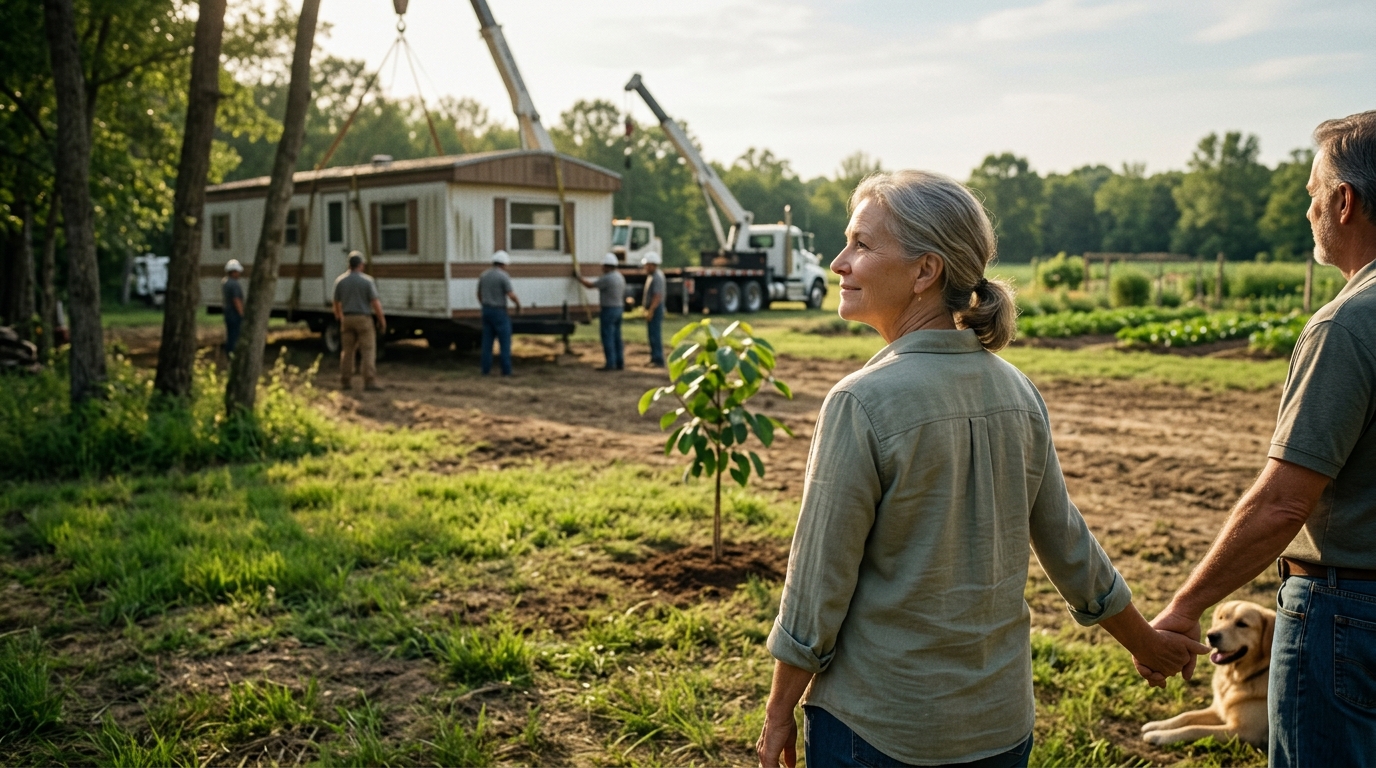
Yes, you can get a free mobile home removal service through accredited nonprofit donation programs. These organizations remove qualifying manufactured homes at no cost to the owner in exchange for a charitable donation. This guide covers the tax deduction benefits, how nonprofit donation programs operate, and the specific eligibility requirements you must meet to qualify for free removal.
Tax Deduction Benefits
Donating a mobile home to a qualified 501(c)(3) organization provides significant financial advantages beyond simple removal. A charitable tax deduction is a reduction in your taxable income based on the fair market value of the donated property. When you donate a manufactured home, you are not just getting rid of a liability; you are creating a tax asset that can offset your income for the year of the donation.
Calculating Fair Market Value
Impact on Property Taxes
Removing a mobile home from your land can also reduce your annual property tax bill. In many jurisdictions, the assessed value of a property includes the structures on the land. Once the mobile home is removed, the assessed value of the lot typically decreases, leading to lower property taxes. This ongoing savings complements the one-time charitable deduction you receive for the donation. For property owners looking to turn their mobile home property into an investment opportunity, clearing the land and reducing tax liabilities is a strategic first step.
Nonprofit Donation Programs
Nonprofit donation programs are charitable initiatives that accept unwanted manufactured homes to provide affordable housing to families in need. These programs operate as accredited 501(c)(3) organizations, meaning they are tax-exempt entities recognized by the IRS. By partnering with these organizations, property owners can remove their homes for free while supporting a social mission. The nonprofit covers the costs of transportation, permits, and labor, effectively turning a disposal expense into a charitable contribution.
How the Donation Process Works
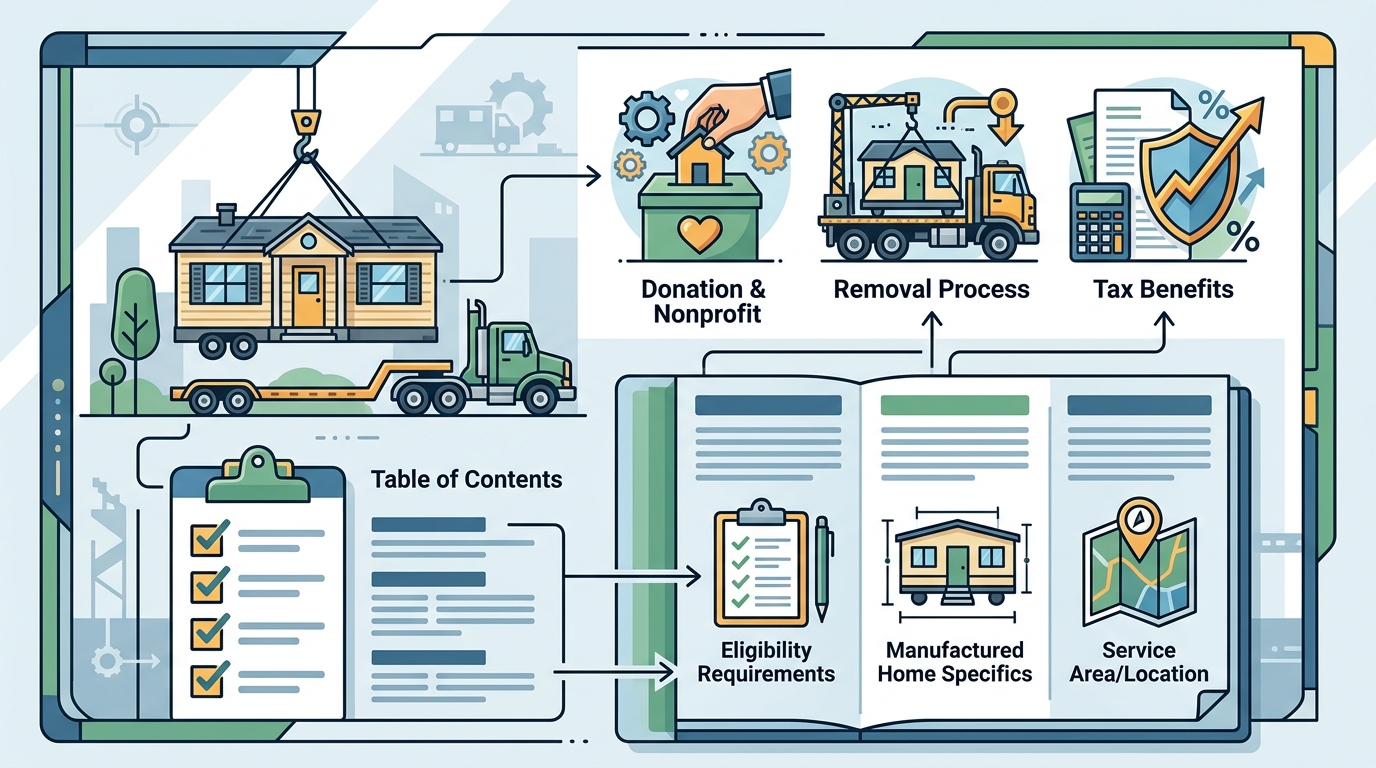
The process typically involves three main steps: qualification, scheduling, and removal. First, you submit information about your home, including its age, condition, and location. The nonprofit reviews this information to determine if the home meets their criteria. If approved, they coordinate with licensed and insured movers to schedule a pickup date. The nonprofit then handles all necessary permits and paperwork. Banyan Mobile Home Removal operates across the continental United States, working with local partners to ensure efficient and safe removals. Their team manages the entire logistics chain, from securing permits to coordinating the final transport.
Why Choose a Nonprofit Over Demolition
Eligibility Requirements
Not every mobile home qualifies for free removal through a nonprofit program. Eligibility requirements are the specific criteria a manufactured home must meet to be accepted for donation. These criteria ensure that the home is safe, transportable, and suitable for reuse. Understanding these requirements helps you determine if your home is a good candidate for a free removal service.
Age and Condition Criteria
Most nonprofit programs, including Banyan Mobile Home Removal, accept homes built in 1980 or newer. This date aligns with the implementation of the federal Manufactured Home Improvement Act, which established safety and construction standards for mobile homes. The home must be in a condition that allows it to be moved and occupied. This means the structure should be sound, with no major fire or water damage that would make it unsafe or too costly to repair. Homes that are severely deteriorated or structurally compromised may not qualify for donation and might require paid demolition instead.
Title and Ownership Clarity
A clear title is a firm requirement for any legal transfer of a mobile home. At the time of donation, the title must be in your name and free of liens. A lien is a legal claim against your property, typically placed by a lender or creditor when money is owed. If your home has an outstanding mortgage, tax lien, or mechanic's lien, you must resolve these claims before the title can be transferred. You can check for liens with your state's DMV or county recorder's office. If you are unsure about your title status, it is wise to consult with a legal professional or contact the nonprofit directly. Understanding how to handle back taxes or liens is a critical step in the qualification process.
Location and Accessibility
The location of your mobile home also affects eligibility. The home must be accessible to large transport vehicles. If the home is in a remote area with difficult terrain or narrow access roads, the nonprofit may need to assess whether it can be moved safely. Most programs operate nationwide, but local regulations and permitting requirements can vary by state and county. The nonprofit will handle the permitting process, but you should be prepared to provide access to the property for inspectors and movers.
| Factor | Typical Requirement | Impact on Eligibility |
|---|---|---|
| Age | 1980 or newer | Must meet federal safety standards |
| Condition | Structurally sound, no major damage | Must be safe for transport and occupancy |
| Title | Clear, in donor's name | Must be free of liens and claims |
| Location | Accessible to transport vehicles | Must allow safe and legal removal |
Key Takeaways
- Free mobile home removal is available through accredited 501(c)(3) nonprofit organizations.
- Donating your home provides a charitable tax deduction based on its fair market value.
- Removing the home can also reduce your annual property tax bill.
- Most programs accept homes built in 1980 or newer that are in safe, transportable condition.
- You must have a clear title free of liens to complete the donation.
- Nonprofits handle all permits, transportation, and paperwork at no cost to you.
- Donation is a sustainable alternative to demolition, supporting affordable housing.
- Consult a tax professional to maximize your deduction and ensure compliance.
Frequently Asked Questions
Is mobile home removal really free?
Yes, if your home qualifies for a nonprofit donation program. The nonprofit covers all costs associated with removal, including transportation, permits, and labor. You receive a tax deduction in exchange for the donation.
What is the fair market value of a mobile home?
Fair market value is the price a willing buyer would pay a willing seller in an open market. For tax purposes, this value determines the amount of your charitable deduction. You should obtain an independent appraisal to confirm this value.
Can I donate a mobile home with a lien?
No, the title must be clear at the time of donation. You must resolve any outstanding liens, such as mortgages or tax claims, before the title can be transferred to the nonprofit.
How long does the removal process take?
The timeline varies depending on the location and complexity of the removal. Typically, the process from qualification to removal takes several weeks. The nonprofit will provide a specific schedule once your home is approved.
Do I need to be present during the removal?
You do not need to be present for the entire process, but you must provide access to the property. The nonprofit will coordinate with you to ensure the movers can access the home on the scheduled date.
What happens to the home after it is removed?
The nonprofit places the home with a family or individual who needs affordable housing. The home is inspected and prepared for occupancy, ensuring it meets safety standards for the new residents.
Conclusion
Getting a free mobile home removal service is a viable and beneficial option for property owners with qualifying manufactured homes. By donating your home to an accredited nonprofit, you can eliminate disposal costs, receive a significant tax deduction, and support affordable housing initiatives. The key to success lies in understanding the eligibility requirements, ensuring a clear title, and partnering with a reputable organization. Contact Banyan Mobile Home Removal today to determine if your home qualifies for their free removal program and to learn more about how you can make a positive impact while solving your property challenge.