
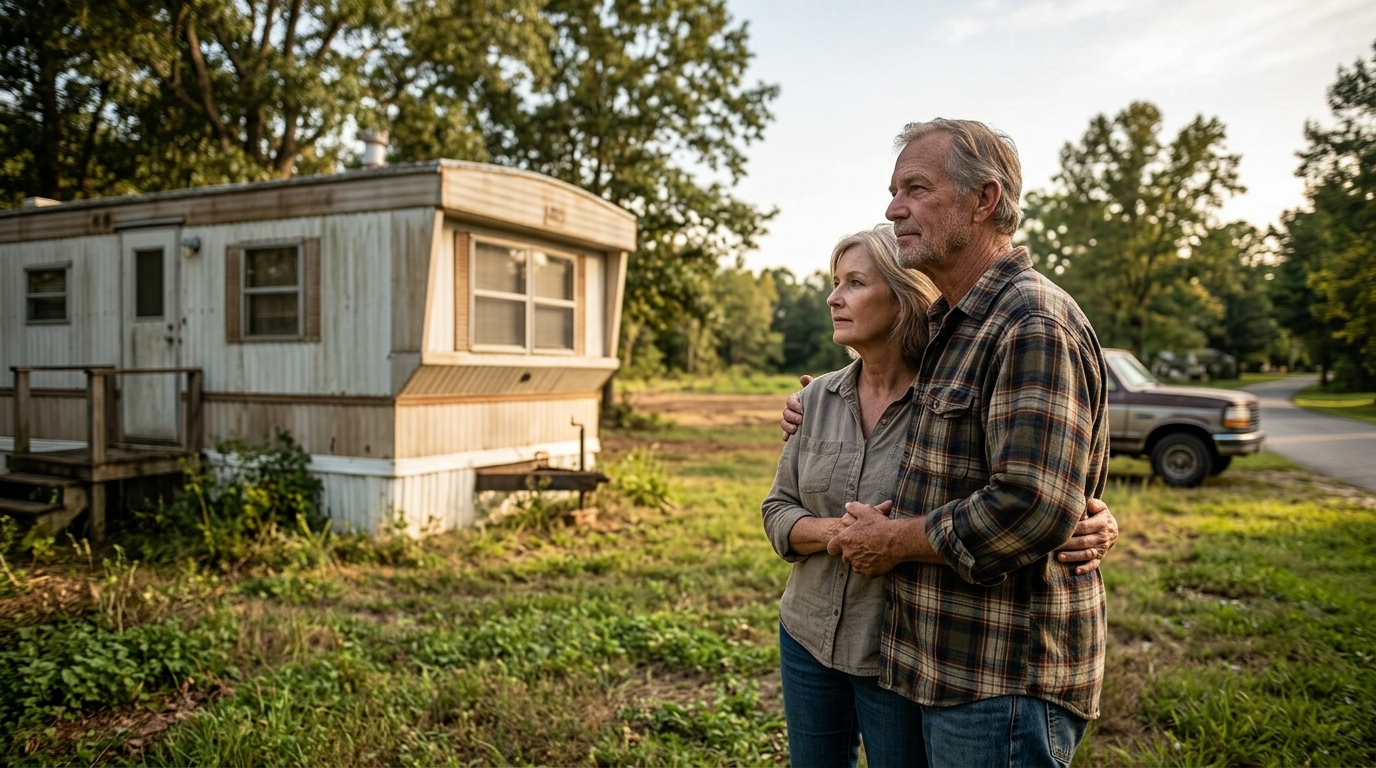
Mobile homes represent a significant portion of the American housing stock, yet many sit unused on private property, creating liability and aesthetic issues for owners. According to recent industry data, over 22 million manufactured homes exist in the United States, with a substantial number becoming obsolete or unwanted. When property owners face the decision of how to remove these structures, the choice often boils down to selling the asset or donating it for removal. Understanding the financial and logistical implications of each path is critical for maximizing value and minimizing stress. (Contact Us Banyan Mobile)
Financial Impact: Tax Deductions vs. Cash Proceeds
The most immediate difference between donating and selling a mobile home lies in the financial outcome. Selling a mobile home is a transactional process where the owner seeks to recoup the market value of the structure. However, the reality of the used mobile home market is often harsh. Many older units have depreciated to the point where their scrap value is negligible. In many cases, the cost of demolition and hauling exceeds the potential sale price, leaving the owner with a net loss. (Free Mobile Home Removal)
Conversely, donating a mobile home to a qualified nonprofit organization offers a different financial pathway. When you donate your mobile home, you are not receiving cash, but you are receiving a charitable tax deduction. This deduction is based on the fair market value of the home at the time of donation. For a home in good condition, this value can be substantial. The Internal Revenue Service (IRS) allows taxpayers to deduct the fair market value of donated property, provided the organization is a registered 501(c)(3) entity. This means that instead of paying for removal, you may actually receive a tax benefit that offsets other liabilities.
It is important to note that the tax deduction is not automatic. You must receive a formal written acknowledgment from the nonprofit organization. This document serves as proof of the donation and is required for your tax filing. The value is typically determined by an independent appraisal or the sale price if the home is sold by the nonprofit shortly after receipt. This process turns a liability into a potential asset, providing financial relief that a standard sale rarely offers.
Logistics and Speed: The Removal Process
Logistical complexity is a major factor in the decision-making process. Selling a mobile home privately involves marketing, showing the property to potential buyers, negotiating prices, and coordinating the move. This process can take weeks or even months. During this time, the home remains on your property, potentially violating local zoning laws or HOA regulations. The stress of managing a sale while dealing with an unwanted structure is a common burden for property owners.
Donating a mobile home streamlines this process significantly. Nonprofit organizations like Banyan Mobile Home Removal specialize in coordinating the entire removal process. Once the home is qualified, the organization arranges for licensed and insured movers to transport the unit. This service is provided at no cost to the donor. The timeline is often predictable, with many organizations aiming to complete the removal within a specific window, such as eight weeks. This predictability allows property owners to clear their land quickly and move on to new projects without the uncertainty of finding a buyer.
Furthermore, the removal process for donations is handled by professionals who understand the nuances of transporting manufactured homes. They manage the necessary permits, tie-down removal, and skirting detachment. This professional oversight reduces the risk of damage to the property during the move and ensures that the removal is conducted safely and efficiently. For property owners who lack the time or expertise to manage a sale, donation offers a turnkey solution.
Eligibility and Condition Requirements
Not all mobile homes are eligible for donation. Nonprofit organizations have specific criteria to ensure that the homes they accept can be successfully repurposed for affordable housing. Generally, the home must be in decent structural condition. It should be free of severe mold, extensive water damage, or major structural failures. Additionally, there are often age requirements. Many programs accept homes built in 1980 or newer, as these units meet modern HUD code standards for safety and construction quality.
Selling a mobile home has fewer restrictions regarding condition. You can sell a home in any state, even if it is dilapidated, as long as you can find a buyer willing to take it as-is. However, this often limits your buyer pool to scrap dealers or investors looking for raw materials. The financial return from such sales is typically low. In contrast, the eligibility requirements for donation are designed to ensure that the home can provide safe housing for a family in need. This requirement aligns the donor's goal of removal with the nonprofit's mission of affordable housing.
Understanding these eligibility criteria is crucial before initiating the process. If your home does not meet the condition or age requirements, donation may not be an option. In such cases, selling for scrap or paying for demolition might be the only viable paths. However, for homes that do qualify, the benefits of donation far outweigh the limited returns of a private sale.
Comparison Summary
To help you make an informed decision, here is a detailed comparison of the two primary options for removing an unwanted mobile home.
| Factor | Donate Your Mobile Home | Sell Your Mobile Home |
|---|---|---|
| Cost to Owner | Free removal service provided. | Owner often pays for demolition or hauling. |
| Financial Benefit | Tax deduction based on fair market value. | Cash proceeds, often minimal or negative. |
| Time to Removal | Structured timeline, typically within weeks. | Unpredictable, depends on buyer interest. |
| Condition Requirements | Must be structurally sound and meet age codes. | Can sell any condition, but value is low. |
| Complexity | Low; organization handles logistics. | High; owner manages marketing and negotiations. |
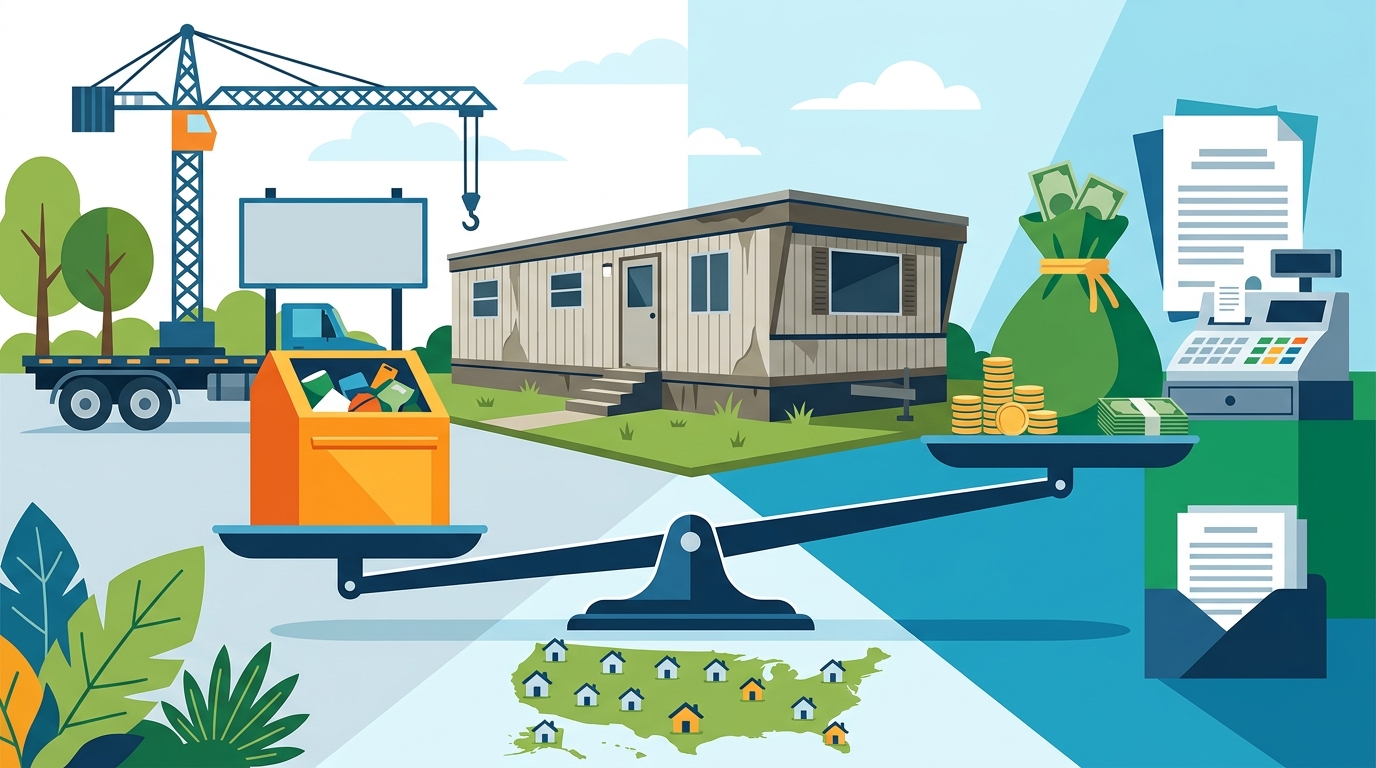
Key Takeaways
- Financial Advantage: Donating a mobile home often provides greater financial benefit through tax deductions than the negligible cash proceeds from selling.
- Zero Cost: Qualified nonprofits cover the full cost of moving and removal, eliminating the need for the owner to pay for demolition services.
- Eligibility Criteria: Homes must typically be built in 1980 or newer and be in decent structural condition to qualify for donation programs.
- Speed and Certainty: Donation offers a predictable timeline for removal, whereas selling can take months with no guarantee of a buyer.
- Community Impact: Donating your mobile home directly supports affordable housing initiatives, helping families achieve homeownership.
- Professional Handling: Licensed and insured movers handle the transport, ensuring safety and compliance with local regulations.
- Tax Documentation: Owners receive a formal written acknowledgment from the nonprofit, which is essential for claiming the charitable deduction.
Frequently Asked Questions
Can I donate a mobile home that is in poor condition?
Generally, no. Nonprofit organizations require homes to be in decent structural condition to ensure they can be safely repurposed for housing. Homes with severe mold, water damage, or structural failures are typically not accepted.
How is the tax deduction value determined?
The value is based on the fair market value of the home at the time of donation. This is often determined by an independent appraisal or the sale price if the nonprofit sells the home shortly after receipt.
What is the typical timeline for mobile home removal?
Timelines vary by organization, but many aim to complete the removal within eight weeks of qualification. This includes the time needed for inspection, advertising, and coordinating with movers.
Do I need to have the title for the mobile home?
Yes, having the title is crucial for the donation process. It proves ownership and allows the nonprofit to legally transfer the home. If the title has been extinguished, it may need to be re-established before donation.
Is the removal really free?
Yes, for qualified homes, the nonprofit organization covers all costs associated with moving and removal. There is no charge to the property owner for this service.
Can I sell my mobile home if I don't want to donate it?
Yes, you can sell your mobile home privately or to a scrap dealer. However, the financial return is often low, and you may still be responsible for the cost of removal if the sale price does not cover it.
What types of mobile homes are accepted?
Most programs accept both single-wide and double-wide manufactured homes, provided they meet the age and condition requirements. Homes built in 1980 or newer are typically eligible.
Start Your Free Removal Today
Removing an unwanted mobile home does not have to be a financial burden or a logistical nightmare. By choosing to donate your home to a qualified nonprofit, you can clear your property at no cost and potentially receive a valuable tax deduction. This process supports affordable housing initiatives while providing you with a stress-free solution. If your home meets the eligibility criteria, you can take the first step toward a cleaner property and a meaningful contribution to your community. Contact Banyan Mobile Home Removal today to learn more about our free removal program and see if your mobile home qualifies for this transformative opportunity. Visit our donation page to begin the process.