
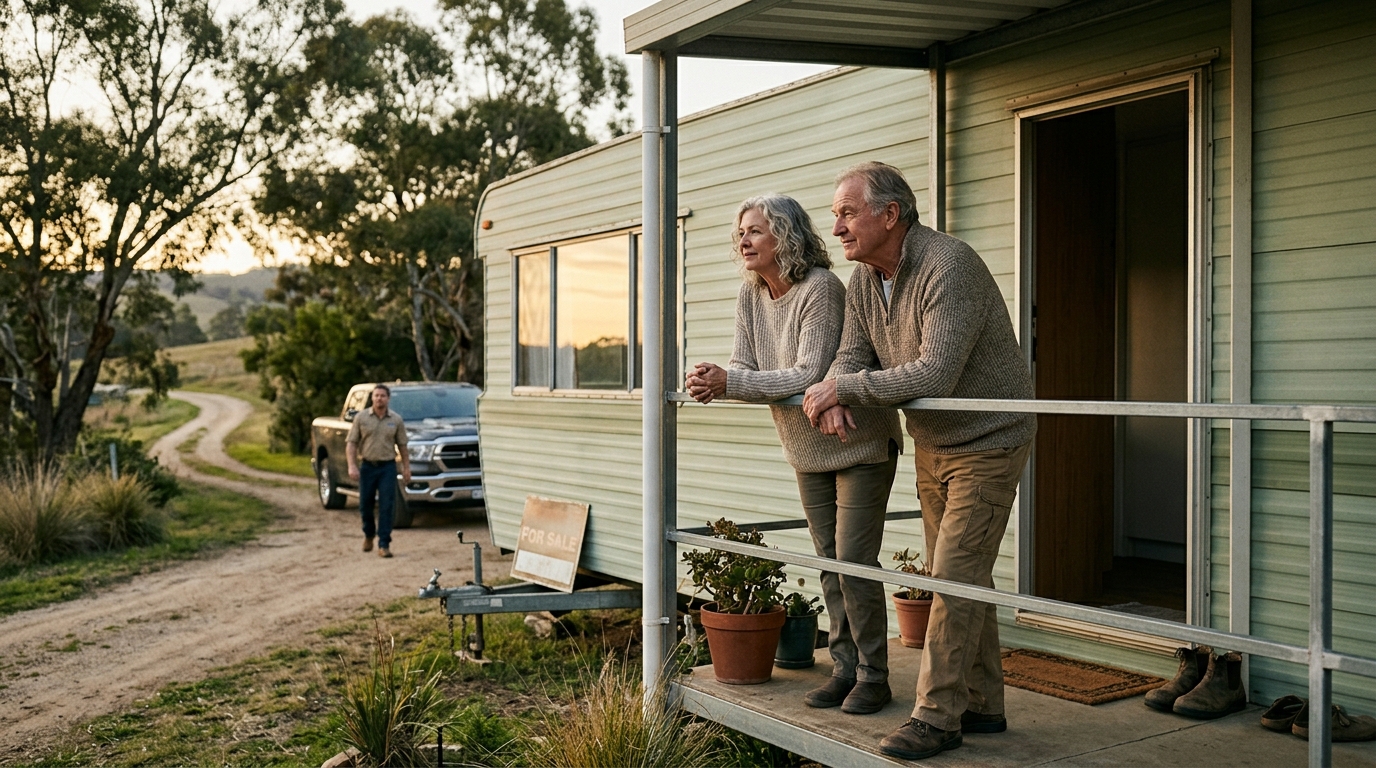
Old mobile homes are purchased by cash buyers, real estate investors, specialized dealers, scrap and salvage companies, and mobile home park owners. Each buyer type offers different financial outcomes, timelines, and logistical requirements for the seller. This guide details the specific motivations, valuation methods, and operational realities of each buyer category to help you make an informed decision.
Cash Buyers
Cash buyers are private individuals or small entities that purchase mobile homes for immediate possession or quick resale. These buyers typically operate without the overhead of a large dealership or the long-term holding costs of an investor. They are often motivated by the need for immediate housing or a low-cost renovation project.
Valuation and Motivation
Cash buyers usually offer a price significantly below market value to account for the risk of immediate possession and the lack of financing contingencies. They are attracted to homes that are structurally sound but cosmetically dated. Because they pay in cash, the transaction can close quickly, often within a few days of inspection. This speed is a major advantage for sellers who need to clear a property rapidly.
Logistical Considerations
When selling to a cash buyer, the seller is often responsible for the logistics of the move unless the buyer arranges it. The buyer may require the home to be in a specific condition to justify their offer. It is important to verify the buyer's funds and intent before agreeing to terms. Cash buyers are a viable option for homes that are too old for resale but still habitable.
Mobile Home Investors
Mobile home investors are individuals or firms that purchase manufactured housing to generate rental income or to flip for a profit. They view mobile homes as real estate assets rather than just vehicles. These buyers are often looking for homes in good condition that can be rented out immediately or renovated to increase value.
Investment Strategies
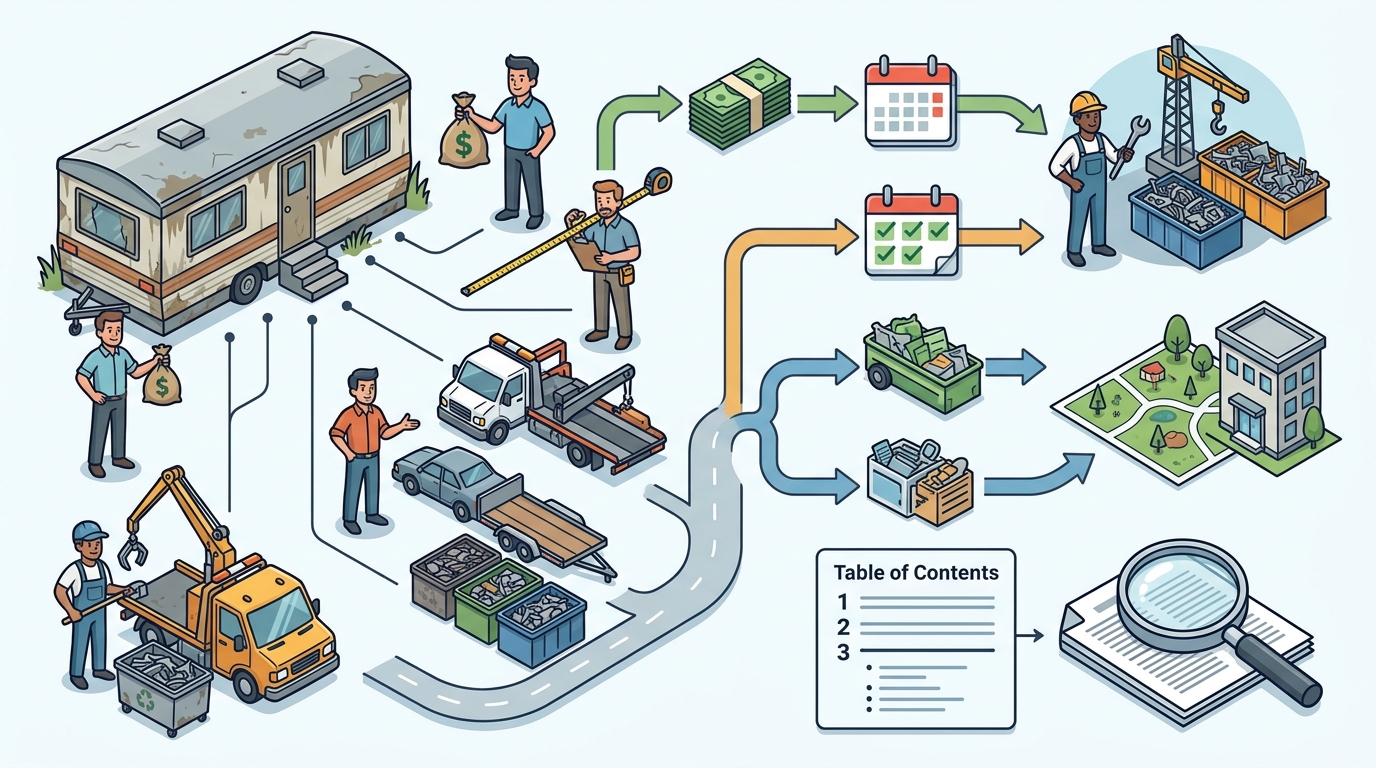
Investors typically employ two main strategies: buy-and-hold and fix-and-flip. Buy-and-hold investors seek stable, long-term rental income and prefer homes in areas with high demand for affordable housing. Fix-and-flip investors look for homes with cosmetic issues or minor structural problems that can be repaired cheaply and sold for a higher price. They are less interested in homes with major structural damage.
Market Dynamics
The demand from investors is driven by the shortage of affordable housing in many parts of the United States. Investors are willing to pay a premium for homes that are energy efficient or have modern amenities. They often have the resources to handle the permitting and moving processes, which can be a burden for individual sellers. Selling to an investor can provide a higher price than a cash buyer but may take longer due to due diligence.
Specialized Dealers
Specialized dealers are businesses that buy, refurbish, and resell mobile homes. They operate like traditional car dealerships but for manufactured housing. These dealers have the expertise to assess the condition of a home accurately and the infrastructure to move and store it. They are a good option for sellers who want a professional transaction.
Refurbishment and Resale
Dealers often purchase homes in bulk or individually to refurbish them. They may replace flooring, paint, and update kitchens and bathrooms to make the home more attractive to buyers. This process adds value but also costs the dealer money, which is why they offer less than the home's potential resale value. Dealers are particularly interested in homes that are 10 to 20 years old, as these units have the best balance of durability and affordability.
Professional Standards
Working with a specialized dealer ensures that the transaction follows industry standards. Dealers are familiar with the legal requirements for title transfer and moving permits. They can provide a clear contract and handle the logistics of the move. This professionalism can be reassuring for sellers who are unfamiliar with the process. However, dealers may be more selective about the condition of the home they will accept.
Scrap and Salvage Companies
Scrap and salvage companies purchase mobile homes for their materials rather than for resale as habitable structures. These companies are interested in the metal, wood, and other components that can be recycled or reused. They are the primary buyers for homes that are too damaged to be lived in or moved.
Material Value
The value of a mobile home to a scrap company is determined by the weight and type of materials it contains. Steel frames, aluminum siding, and copper wiring are the most valuable components. The company will assess the home based on these factors rather than its condition as a living space. This means that even a severely damaged home can have some value to a scrap buyer. The payment is usually based on the estimated weight of the recyclable materials.
Disposal and Environmental Impact
Scrap companies handle the removal and disposal of the home. They are responsible for ensuring that hazardous materials, such as asbestos or lead paint, are handled properly. This is an important consideration for sellers, as improper disposal can result in fines and environmental damage. Working with a reputable scrap company ensures that the home is disposed of in an environmentally responsible manner. This option is often the most cost-effective for homes that are beyond repair.
Mobile Home Park Owners
Mobile home park owners purchase homes to place on their lots. They are interested in homes that meet their park's standards and can be rented to their residents. Park owners are a consistent source of demand for mobile homes, especially in areas where new construction is limited. They often have the space and infrastructure to accommodate additional units.
Park Standards and Requirements
Each park has its own set of standards for the homes it accepts. These standards may include age, size, and condition requirements. Park owners are looking for homes that will be a good fit for their existing community. They may prefer homes that are similar in style and size to the other units in the park. This consistency helps maintain the aesthetic and value of the park. Sellers should be prepared to provide detailed information about the home to ensure it meets the park's criteria.
Long-Term Relationships
Selling to a park owner can lead to a long-term relationship. If the seller has multiple homes or knows of others who are selling, the park owner may be interested in a bulk purchase. This can result in a better price per unit. Park owners are often willing to negotiate on price if the home is a good fit for their park. They may also offer to cover the cost of moving the home, which can save the seller a significant amount of money.
Buyer Comparison Table
| Cash Buyers | Below Market | Fast (Days) | Urgent Sales |
| Mobile Home Investors | Market Value | Moderate (Weeks) | Good Condition Homes |
| Specialized Dealers | Below Market | Moderate (Weeks) | Refurbishment Potential |
| Scrap Companies | Material Value | Fast (Days) | Damaged Homes |
| Park Owners | Market Value | Moderate (Weeks) | Standardized Units |
Key Takeaways
- Investors seek homes with rental or resale potential and may offer market value.
- Specialized dealers are good for homes that can be refurbished and resold.
- Scrap companies are the best option for homes that are too damaged to move.
- Park owners look for homes that meet their specific park standards.
- The condition of the home is the primary factor in determining the buyer type.
- Understanding the motivations of each buyer type helps in negotiating a better price.
- Professional assistance can simplify the process and ensure a smooth transaction.
Frequently Asked Questions
Who is the best buyer for a damaged mobile home?
Scrap and salvage companies are the best buyers for damaged mobile homes. They value the materials rather than the habitability of the structure. This makes them the most suitable option for homes that cannot be moved or lived in.
Do mobile home investors buy homes with liens?
Generally, no. Investors prefer clear titles to avoid legal complications. If a home has a lien, it must be resolved before the title can be transferred. This is a critical step in the sale process.
How much do cash buyers typically offer?
Can I sell a mobile home to a park owner if it is old?
It depends on the park's standards. Some parks accept older homes if they are in good condition, while others have strict age limits. You should check with the specific park owner to determine their requirements.
What is the role of a specialized dealer?
A specialized dealer buys, refurbishes, and resells mobile homes. They provide a professional transaction and handle the logistics of the move. This is a good option for sellers who want a hassle-free experience.
How long does it take to sell to an investor?
Conclusion
Understanding who buys old mobile homes is essential for making an informed decision about your property. Whether you choose a cash buyer, an investor, a dealer, a scrap company, or a park owner, each option has its own benefits and drawbacks. By evaluating the condition of your home and your specific goals, you can select the buyer that best fits your needs. For a hassle-free and cost-effective solution, consider donating your mobile home to Banyan Mobile Home Removal. They provide free removal services and help you receive a tax deduction, making it a smart financial and charitable choice.