

Property owners across the United States frequently face the burden of unwanted manufactured homes that deteriorate over time. According to recent industry data, thousands of mobile homes are abandoned or left to decay annually, creating significant liability for landowners. This statistic highlights the urgent need for reliable removal solutions that do not add financial strain to an already complex situation. Many homeowners assume that "free" removal is a standard industry practice, but the reality involves complex logistics, regulatory compliance, and charitable frameworks. Understanding these nuances is critical to avoiding costly errors and ensuring a smooth transition for your property.
The Myth of Truly Free Removal
The most common mistake homeowners make is assuming that all free removal services are created equal. While some companies advertise "free" removal, they often have hidden conditions that can lead to unexpected expenses. These may include fees for disconnecting utilities, removing skirting, or clearing debris from the lot. A reputable organization, such as Banyan Mobile Home Removal, operates on a different model. They coordinate with licensed and insured local movers to ensure the entire process is covered at no cost to the donor.
When evaluating a service, ask specifically about what is included in the "free" package. Does it cover the physical labor of moving? Does it include the removal of tie-downs and skirting? If the answer is vague, proceed with caution. Transparent organizations provide clear outlines of their services, ensuring that the homeowner does not face surprise invoices after the home has been removed.
Ignoring Eligibility and Age Restrictions
Not every mobile home qualifies for free removal or donation programs. A critical error is contacting a service without first verifying the age and condition of the structure. Many nonprofit organizations have strict guidelines regarding the manufacturing date of the home. For instance, Banyan Mobile Home Removal typically accepts homes manufactured in 1980 or newer. This requirement exists because older homes may not meet current safety standards for transport and resale.
Additionally, the physical condition of the home plays a significant role. Homes that are severely damaged, have extensive mold issues, or lack essential structural components may not be suitable for repurposing. Before contacting a removal service, take clear photos of the interior and exterior. This preparation helps the organization determine eligibility quickly and prevents the disappointment of a rejected application after a site visit.
Overlooking Title and Legal Status
One of the most complex aspects of mobile home removal is the legal status of the property. Homeowners often fail to distinguish between a mobile home that is still a vehicle and one that has been converted to real estate. If a home has been permanently affixed to a foundation and its title has been extinguished, it is considered part of the real property. This distinction is crucial because it changes the legal process of donation and removal.
If your home's title has been extinguished, you may need to reverse this process to re-establish it as a vehicle before it can be donated. This involves contacting your state's Department of Licensing or equivalent agency. Failing to address this legal hurdle can delay the removal process significantly. Always consult with the removal service about the title status early in the conversation to understand the necessary paperwork.
Failing to Verify Nonprofit Status
Choosing a removal service without verifying its legal status is a risky move. Many organizations claim to be nonprofits, but only accredited 501(c)(3) organizations can provide the necessary documentation for tax deductions. Working with an unverified entity may result in the loss of potential tax benefits and could expose you to liability if the removal is not handled correctly.
Always ask for the organization's EIN (Employer Identification Number) and verify its status through the IRS Tax Exempt Organization Search tool. Organizations like Banyan Mobile Home Removal are accredited 501(c)(3) nonprofits dedicated to creating pathways to affordable homeownership. This status ensures that your donation is legitimate and that the organization is held to strict operational standards. It also guarantees that the home will be repurposed for its intended charitable purpose rather than being sold for profit without regard for the donor's interests.
Misjudging Removal Timelines
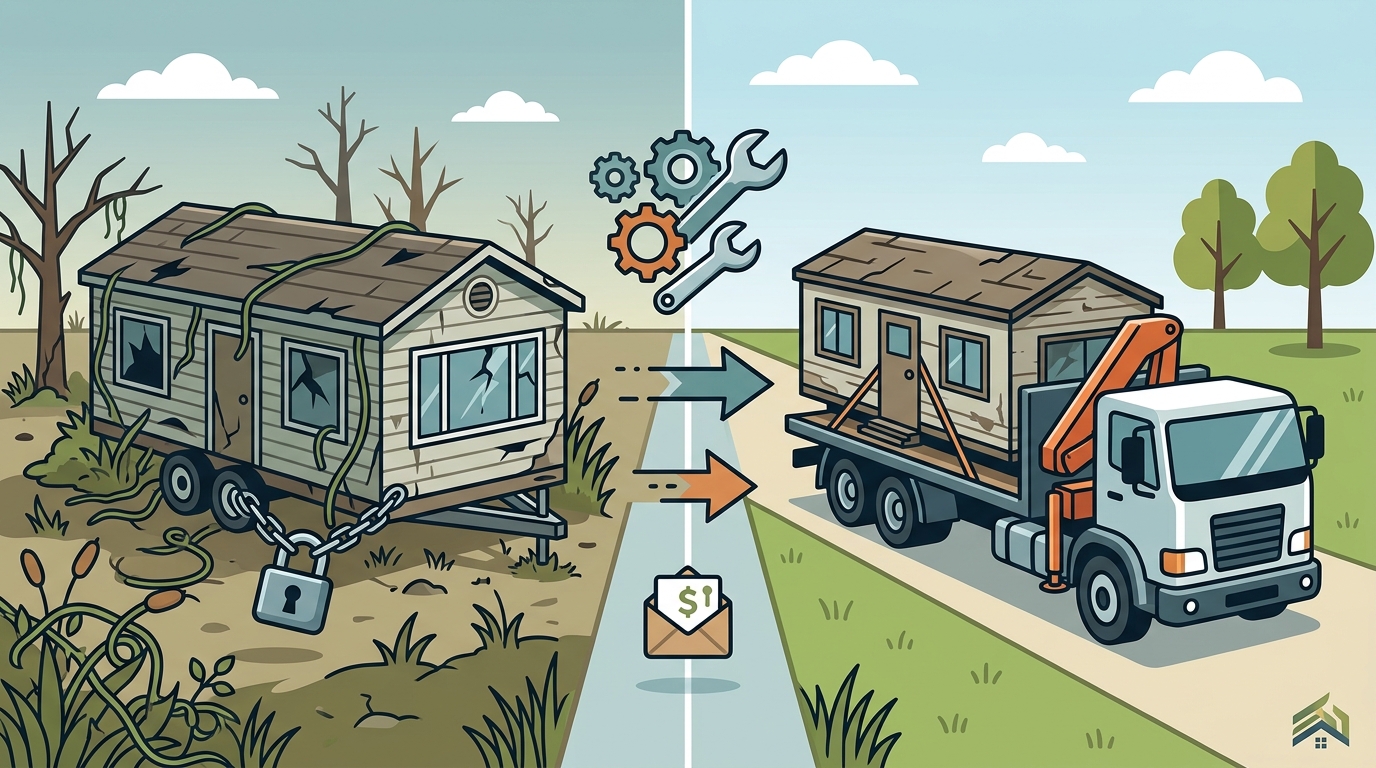
Homeowners often expect immediate removal when they contact a service, but the reality is more complex. The removal process involves several steps, including qualification review, advertising the home for sale, finding a buyer, and coordinating with movers. This process can take several weeks or even months. Understanding this timeline helps manage expectations and reduces frustration.
For example, Banyan Mobile Home Removal typically aims to have homes removed within eight weeks of qualification, but this can vary based on market demand and logistical factors. During this time, the organization may advertise the home to potential buyers in your area. This step is essential for maximizing the value of the donation and ensuring the home goes to a deserving family. Patience and clear communication are key during this period.
Misunderstanding Tax Deduction Benefits
Many homeowners are unaware that donating a mobile home can result in a significant tax deduction. However, the value of this deduction depends on how the organization uses the home. If the home is sold, the deduction is typically limited to the gross proceeds from the sale. If the home is significantly improved or used for affordable housing, the deduction may be based on the fair market value.
It is essential to understand these distinctions before donating. Consult with a tax professional to determine the potential value of your donation. Organizations like Banyan Mobile Home Removal provide the necessary documentation to support your tax claim, but you must take the initiative to understand the implications. Proper documentation ensures that you receive the full benefit of your charitable contribution.
Comparison of Removal Service Models
| Feature | For-Profit Haulers | Nonprofit Donation Programs |
|---|---|---|
| Cost to Owner | High (Thousands of dollars) | Free (No cost to donor) |
| Tax Deduction | None | Potential charitable deduction |
| Home Destination | Landfill or Scrap | Repurposed for Affordable Housing |
| Eligibility | Any condition (for a fee) | Strict (Age, Condition, Title) |
| Process Speed | Fast (Days) | Slower (Weeks to Months) |
Key Takeaways
- Verify the organization's 501(c)(3) status to ensure legitimacy and tax benefits.
- Check age restrictions, such as the 1980 or newer requirement, before applying.
- Understand the difference between vehicle title and real estate status for your home.
- Expect a removal timeline of several weeks due to the need for buyer matching.
- Prepare clear photos and documentation to speed up the qualification process.
- Consult a tax professional to maximize your charitable deduction potential.
- Choose a nonprofit that partners with licensed and insured local movers.
Frequently Asked Questions
Is mobile home removal really free?
Yes, reputable nonprofit organizations cover the cost of removal, including the fees for licensed movers. However, you may be responsible for disconnecting utilities before the removal team arrives.
What is the age requirement for donating a mobile home?
Many organizations, including Banyan Mobile Home Removal, require homes to be manufactured in 1980 or newer to meet safety and transport standards.
Can I donate a mobile home with back taxes or liens?
It is possible, but the process is more complex. You may need to resolve liens or back taxes before the donation can be finalized. Contact the organization for specific guidance on your situation.
How long does the removal process take?
The process typically takes several weeks to months. This time is needed to qualify the home, find a buyer, and coordinate the logistics of moving the structure.
Will I receive a tax deduction for donating my mobile home?
Yes, if the organization is a registered 501(c)(3) nonprofit. The value of the deduction depends on whether the home is sold or repurposed for affordable housing.
What happens to my mobile home after it is removed?
Qualifying homes are typically sold to deserving families or organizations that provide affordable housing. This ensures the home continues to serve a purpose rather than ending up in a landfill.
Do I need to remove skirting and tie-downs myself?
In many cases, the removal team handles the removal of skirting and tie-downs. However, you should confirm this with the organization before the removal date.
Ready to Remove Your Unwanted Mobile Home?
Choosing the right service for mobile home removal is a critical decision that impacts your financial future and your community. By avoiding common mistakes and partnering with a trusted nonprofit, you can ensure a smooth, cost-free removal process. Contact Banyan Mobile Home Removal today to start the qualification process and take the first step toward freeing your property.