
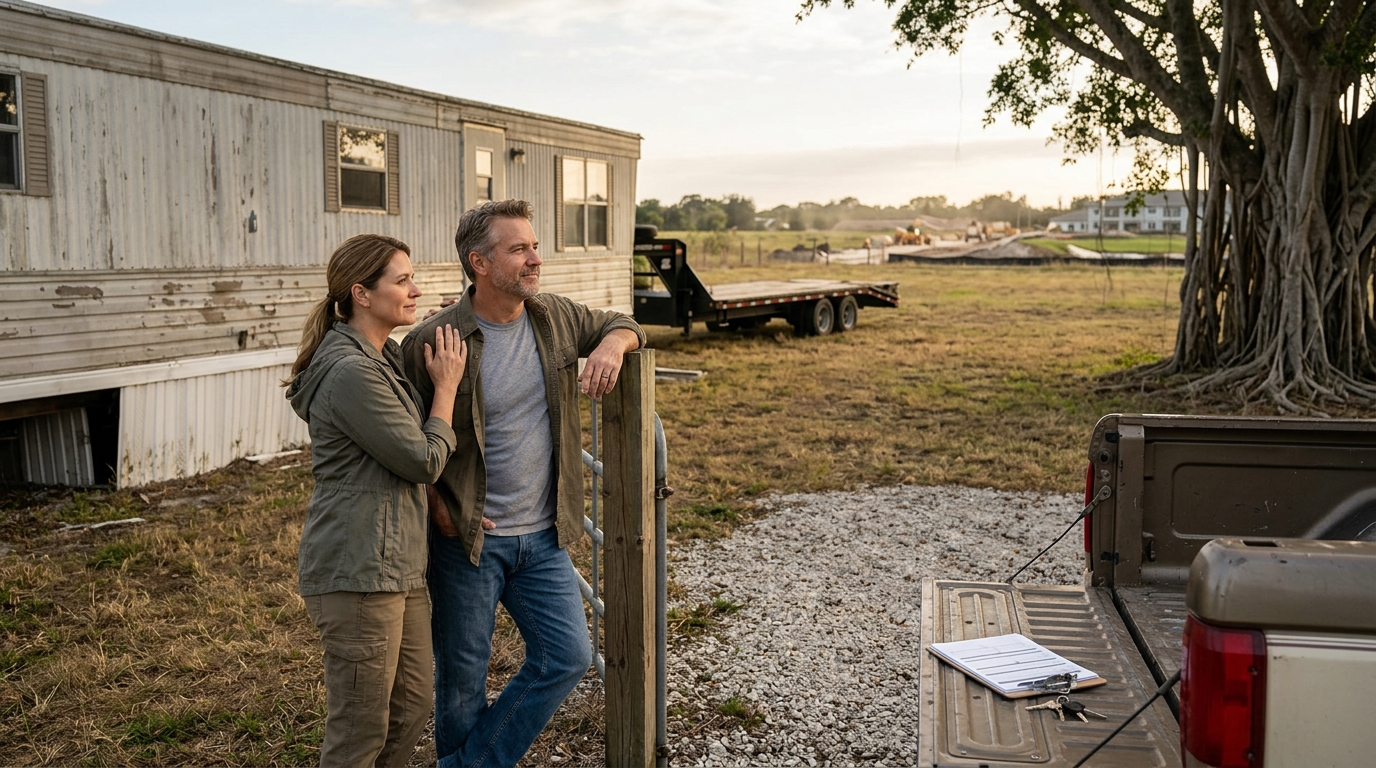
Common Mistakes When Donating a Mobile Home and How to Avoid Them
Donating a mobile home is a powerful way to clear land and support affordable housing, but the process is fraught with legal and logistical traps. According to recent industry data, over 60% of property owners encounter significant delays or tax complications because they fail to verify the home's eligibility before initiating the transfer. This statistic highlights why understanding the specific requirements of nonprofit organizations is critical for a smooth experience. Many donors assume any structure qualifies, leading to rejected applications and wasted time. This guide details the most frequent errors and provides the exact steps to ensure your donation is accepted, your land is cleared, and your tax deduction is secured. (About Us Banyan Mobile)
Mistake 1: Ignoring Age and Condition Restrictions
The most common error donors make is assuming their mobile home is eligible for donation without checking the age and structural integrity requirements. Nonprofit organizations like Banyan Mobile Home Removal have strict guidelines to ensure the homes they accept can be safely transported and repurposed for affordable housing. A primary restriction is the manufacturing date. Most accredited nonprofits only accept homes built in 1980 or later. This cutoff exists because homes built before the federal HUD Code standards were implemented often lack the structural integrity required for safe relocation.
Another critical factor is the physical condition of the unit. Donors often donate homes that are too deteriorated to be useful. If a home has severe foundation damage, extensive mold infestation, or missing critical components like skirting and tie-downs, it may be rejected. Mobile Home Donation is the process of transferring ownership of a manufactured home to a qualified nonprofit for charitable purposes. To avoid rejection, you must provide accurate photos and details about the home's current state. If the home is beyond repair, the nonprofit may decline the donation, leaving you with the burden of disposal costs.
To avoid this mistake, conduct a preliminary inspection. Check the data plate, usually located inside a cabinet or near the electrical panel, to confirm the manufacturing date. Assess the roof for leaks and the floor for sagging. If the home is in poor condition, contact the nonprofit first to see if they have any salvage programs or if they can refer you to a disposal service. Transparency at this stage saves weeks of administrative back-and-forth.
Mistake 2: Overlooking Vehicle Title and Lien Status
Mobile homes are classified as personal property, similar to vehicles, until they are permanently affixed to real estate. This classification creates a unique legal hurdle for donors. The most frequent mistake is attempting to donate a home that still has an active loan or lien. If you financed your mobile home, the lender holds the title. You cannot donate property you do not fully own. Attempting to transfer a lien-held home will result in the donation being rejected by the nonprofit and potentially causing legal issues with the lender.
Another common error involves the status of the title itself. If the mobile home was previously attached to land and the title was "extinguished" or merged with the real estate deed, it no longer exists as a vehicle title. In this case, you must first re-establish the title through your state's Department of Licensing or DMV. This process can be time-consuming and may require professional assistance. Donors often underestimate the bureaucratic steps needed to separate the home from the land.
Vehicle Title is the legal document that proves ownership of a mobile home as a movable asset. To avoid this pitfall, verify the title status before contacting the nonprofit. If the title is lost, you will need to apply for a duplicate. If there is a lien, you must pay off the loan and obtain a lien release document. Providing these documents upfront to the nonprofit accelerates the qualification review process. Banyan Mobile Home Removal requires clear title to ensure they can legally transport and resell the home to a deserving family.
Mistake 3: Misunderstanding Tax Deduction Limits
Many donors are attracted to the program by the promise of a tax deduction, but they often miscalculate the value or misunderstand the documentation required. The IRS has strict rules regarding charitable contributions of personal property. A major mistake is self-assessing the value of the home based on its original purchase price or sentimental value. The deductible amount is typically the fair market value at the time of donation, which is often significantly lower than the original cost due to depreciation.
Furthermore, the nonprofit organization must provide a written acknowledgment of the donation. For contributions over $5,000, you are required to file IRS Form 8283 and often obtain a qualified appraisal. Donors frequently fail to request this documentation promptly, leading to complications during tax season. It is also important to note that the tax deduction is not guaranteed for every donation. The value depends on the home's condition, age, and market demand in the recipient's area.
Fair Market Value is the price at which a mobile home would change hands between a willing buyer and a willing seller. To avoid tax issues, consult with a tax professional before donating. Ask the nonprofit exactly what documentation they will provide. Banyan Mobile Home Removal, as an accredited 501(c)(3) nonprofit, provides the necessary paperwork to support your tax deduction claim. Ensure you receive the acknowledgment letter within 30 days of the donation to comply with IRS regulations.
Mistake 4: Delaying Property Tax Reassessment
Once the mobile home is removed, property owners often forget to update their local tax records. This is a costly mistake. As long as the mobile home is listed on your property tax assessment, you continue to pay taxes on an asset you no longer own. In some jurisdictions, the removal of a mobile home can significantly reduce your annual property tax bill. Delaying this update means you are overpaying on your taxes for months or even years.
Another aspect of property tax management is the potential for reassessment of the remaining land. Removing a structure can sometimes increase the value of the vacant lot, leading to a higher tax assessment on the land itself. While this is a positive outcome for long-term equity, it requires proactive management. You must inform your county assessor's office that the mobile home has been removed and provide proof of the donation or removal.
Property Tax Reassessment is the official review of your land's value by local government authorities after a change in ownership or structure. To avoid financial loss, contact your county assessor immediately after the home is removed. Request a revised assessment roll. This step ensures your tax bill reflects the current state of your property. Banyan Mobile Home Removal can provide proof of removal, which is often required by local tax offices to process the adjustment.
Comparison: Donation vs. Traditional Sale
When deciding how to remove an unwanted mobile home, owners often weigh donation against selling it privately. Each option has distinct advantages and disadvantages depending on the home's condition and your financial goals. The table below outlines the key differences to help you make an informed decision.
| Factor | Donation to Nonprofit | Private Sale |
|---|---|---|
| Cost to Owner | Zero. The nonprofit covers removal and disposal. | High. You pay for movers, repairs, and marketing. |
| Time to Clear | Fast. Removal typically occurs within 8 weeks. | Slow. Selling can take months or years. |
| Financial Return | Tax deduction based on fair market value. | Cash profit, but often lower than expected. |
| Effort Required | Low. Minimal paperwork and coordination. | High. Showings, negotiations, and repairs. |
| Eligibility | Strict. Must be 1980+ and structurally sound. | Flexible. Can sell as-is or for scrap. |
Donation is ideal for owners who want a hassle-free removal and a tax benefit. Private sale is better if the home is in excellent condition and has high market demand in your area. However, the logistical burden of a private sale often outweighs the potential profit. For most owners, the free removal service provided by accredited nonprofits is the superior choice.
Key Takeaways
- Age Requirement: Most nonprofits only accept mobile homes built in 1980 or later to ensure compliance with federal safety standards.
- Title Status: You must have clear title to the home. Liens or extinguished titles must be resolved before donation.
- Tax Documentation: Request a written acknowledgment from the nonprofit within 30 days to support your IRS Form 8283.
- Property Taxes: Notify your county assessor immediately after removal to update your tax bill and avoid overpayment.
- Condition Matters: Homes with severe structural damage or mold may be rejected. Be transparent about the home's condition.
- Nonprofit Accreditation: Verify the organization is an accredited 501(c)(3) to ensure your donation is tax-deductible.
- Removal Timeline: Expect the removal process to take approximately 8 weeks from qualification to transport.
Frequently Asked Questions
What is the minimum age of a mobile home that can be donated?
Most accredited nonprofits, including Banyan Mobile Home Removal, require mobile homes to be built in 1980 or later. This ensures the home meets federal HUD Code standards for safety and structural integrity.
Can I donate a mobile home with a lien?
No. You must have clear title to the mobile home. If there is an outstanding loan, you must pay it off and obtain a lien release before the donation can proceed.
How much tax deduction can I expect?
The tax deduction is based on the fair market value of the home at the time of donation, not its original purchase price. You will receive documentation from the nonprofit to support your claim.
What happens if my mobile home is rejected?
If the home does not meet the nonprofit's criteria, they may refer you to a disposal service or provide guidance on how to prepare it for future donation. You are not obligated to proceed if the home is rejected.
How long does the removal process take?
Once your home is qualified and the title is verified, the removal typically occurs within 8 weeks. The nonprofit coordinates with licensed movers to ensure safe transport.
Do I need to remove the skirting and tie-downs?
Usually, the professional movers handle the removal of skirting and tie-downs as part of the preparation process. However, you should confirm this with the nonprofit during the qualification phase.
Is the removal really free?
Yes. Accredited nonprofits cover the cost of removal and transport as part of their charitable mission. You do not pay for the service, but you may receive a tax deduction.
Start Your Free Removal Process
Donating your mobile home is a strategic way to clear your land, reduce property taxes, and support affordable housing. By avoiding the common mistakes outlined in this guide, you ensure a smooth and successful transaction. Banyan Mobile Home Removal is ready to help you navigate this process with expertise and care. Contact us today to schedule your qualification review and start your journey toward a free, hassle-free removal.
Click here to contact Banyan Mobile Home Removal and learn if your home qualifies for our free removal program.