
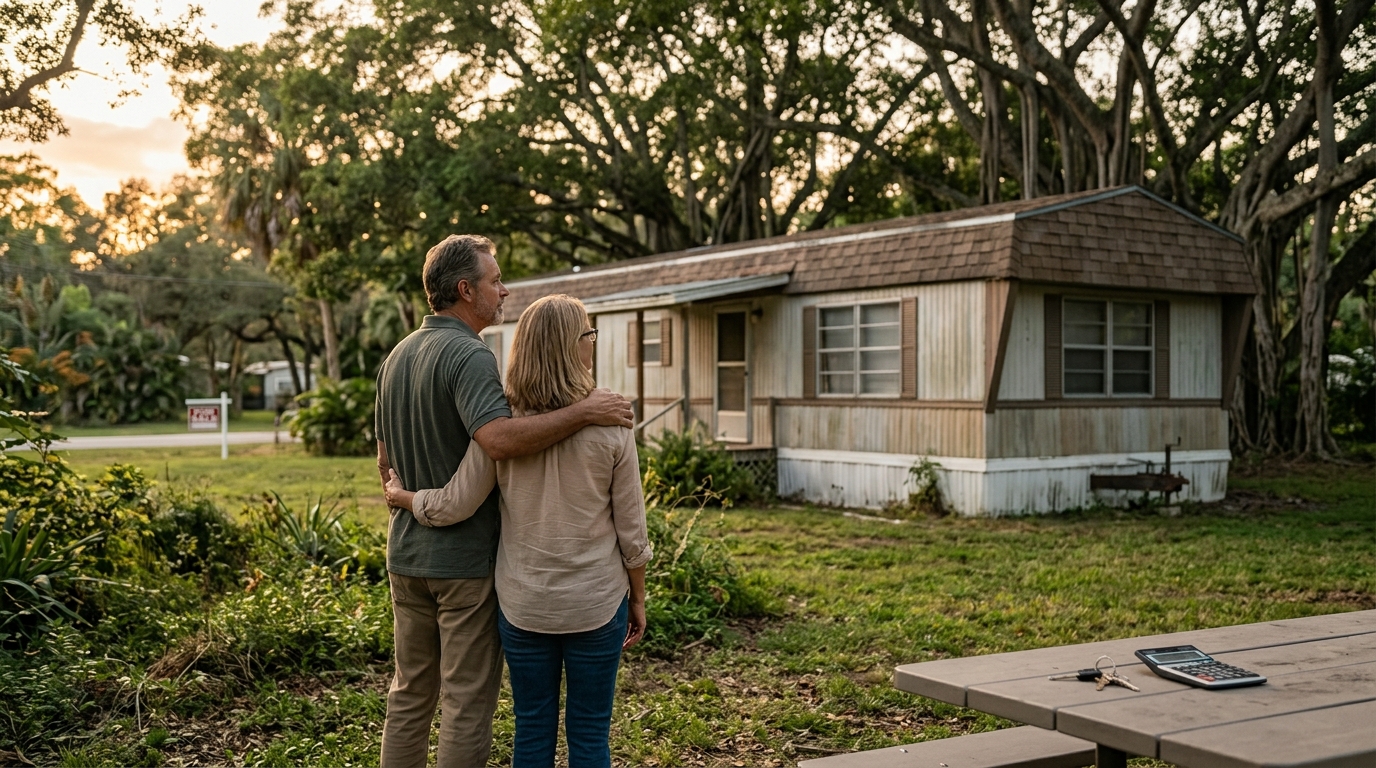
Deciding what to do with an unwanted mobile home is rarely a simple choice. For many property owners, the structure has become a liability rather than an asset. The decision to donate or sell often hinges on immediate cash needs versus long-term tax benefits. According to recent industry data, over 20 million manufactured homes exist in the United States, yet a significant percentage sit unused or deteriorating on private land. Understanding the financial implications of each path is critical for maximizing your return. (Free Mobile Home Removal)
Financial Breakdown: Cash vs. Tax Deduction
The most common question property owners ask is which route yields more money. The answer depends entirely on the condition of the home and your personal tax bracket.
The Selling Route
Selling a mobile home typically involves listing it on the market, hosting showings, and negotiating with buyers. If the home is in good condition, you might receive a lump sum payment. However, this process is rarely free. You may incur costs for staging, real estate agent commissions, and necessary repairs to make the home marketable. Furthermore, if the home is older, its market value may be negligible, leaving you with the burden of disposal costs.
The Donation Route
Donating your mobile home to a qualified nonprofit organization offers a different financial advantage. You do not receive cash upfront. Instead, you receive a charitable tax deduction based on the fair market value of the home. For high-income earners, this deduction can significantly reduce your taxable income. Additionally, the organization covers all removal costs. This eliminates the heavy expense of hiring movers, which can range from $1,500 to $10,000 depending on distance and complexity.
According to the Internal Revenue Service, charitable contributions are a legitimate way to lower tax liability. The value of the deduction is determined by the appraised value of the donated property. This method is particularly effective for owners who do not need immediate cash but want to offset their annual tax burden.
The Process: Speed and Convenience
Time is a valuable resource. The logistical burden of removing a mobile home is often more stressful than the financial calculation.

Selling: A Lengthy Process
Selling a mobile home can take weeks or even months. You must maintain the property in show-ready condition. You deal with lowball offers, financing contingencies, and buyer inspections. If the home requires significant repairs, you must coordinate contractors and manage timelines. This process demands active involvement from the property owner.
Donating: A Streamlined Experience
Donating is designed for convenience. Organizations like Banyan Mobile Home Removal handle the entire logistics chain. Once you submit a qualification form, their team assesses the home remotely. If it qualifies, they coordinate with licensed and insured local movers to schedule the pickup. You do not need to clean the home, remove personal belongings, or negotiate with strangers. The process is passive for the donor.
Data shows that donation timelines are often faster than market sales. While a sale might linger for months, a donation can result in removal within 8 weeks or less. This speed is crucial for property owners looking to clear land for new construction or sale.
Eligibility and Condition Requirements
Not every mobile home qualifies for donation. Understanding these constraints is vital before making a decision.
Age Restrictions
Many nonprofit removal programs have strict age limits. For instance, Banyan Mobile Home Removal typically accepts homes built in 1980 or newer. This is because homes built after the HUD Code implementation meet specific safety and construction standards. Older homes may not be safe to transport or inhabit.
Structural Integrity
The home must be structurally sound enough to be moved. Severe damage, such as a collapsed roof or extensive foundation failure, may disqualify the property. However, cosmetic issues like outdated kitchens or worn flooring are usually acceptable. The organization will send an inspector to verify the condition before finalizing the agreement.
Title Status
You must have clear title to the mobile home. If the home is tied to the land or has existing liens, the process becomes complicated. In some cases, you may need to work with a title company to clear the title before donation. This is a step that is often overlooked but is critical for a smooth transaction.
Tax Implications and Documentation
The tax benefits of donation are significant, but they require proper documentation.
Appraisal Requirements
For donations valued over $5,000, the IRS requires a qualified appraisal. The nonprofit organization will provide a Letter of Appraisal that states the fair market value. You must attach this letter to your tax return. Without this documentation, the deduction may be disallowed during an audit.
Capital Gains vs. Deduction
When you sell a mobile home, you may face capital gains tax if the profit exceeds your basis. When you donate, you avoid capital gains tax entirely. Instead, you deduct the appraised value. This is often a more favorable outcome for high-value properties.
According to tax experts, charitable deductions are most valuable when itemized. If you take the standard deduction, the benefit of donating a mobile home may be less impactful. However, the removal of the liability still provides value by freeing up your land.
Comparison Summary
The following table summarizes the key differences between donating and selling your mobile home.
| Factor | Donating | Selling |
|---|---|---|
| Immediate Cash | No | Yes |
| Tax Deduction | Yes (Fair Market Value) | No |
| Removal Cost | Free (Covered by Nonprofit) | Owner Pays (or Negotiated) |
| Time to Complete | Fast (Weeks) | Slow (Months) |
| Effort Required | Minimal | High (Staging, Showings) |
| Eligibility | Strict (Age/Condition) | Flexible |
Key Takeaways
- Financial Strategy: Donation provides a tax deduction, while selling provides immediate cash. Choose based on your liquidity needs.
- Cost Savings: Donating eliminates mover costs, which can exceed $10,000 for long-distance transport.
- Age Limit: Homes must typically be built in 1980 or newer to qualify for nonprofit donation programs.
- Documentation: A qualified appraisal and Letter of Appraisal are required for tax deductions over $5,000.
- Speed: Donation is significantly faster than selling, often completing within 8 weeks.
- Effort: Donation requires minimal effort from the owner, whereas selling demands active management.
- Eligibility: Structural integrity and clear title are mandatory for both paths, but donation has stricter age criteria.
Frequently Asked Questions
Can I donate a mobile home with back taxes?
Yes, you can often donate a mobile home even if there are back taxes or liens, but the title must be clearable. The nonprofit organization will guide you through the process of extinguishing the title or working with a title company to resolve the liens before removal.
How is the tax deduction value determined?
The value is determined by the fair market value of the home at the time of donation. A qualified appraiser will assess the home, and the nonprofit will issue a Letter of Appraisal. You cannot simply guess the value; it must be substantiated by professional appraisal.
What happens to my mobile home after I donate it?
After donation, the home is typically renovated and resold to low-income families or individuals in need of affordable housing. The nonprofit organization manages the renovation, marketing, and sale process. The proceeds from the sale help fund their mission to provide more affordable housing.
Do I need to clean out the mobile home before donation?
Generally, no. The nonprofit organization and their movers will handle the removal of personal belongings. However, it is courteous to remove any hazardous materials or valuable items you wish to keep. The structure itself is what is being donated.
Is the donation process really free?
Yes, reputable nonprofits like Banyan Mobile Home Removal cover all costs associated with the removal, including towing, labor, and administrative fees. You do not pay anything out of pocket for the service.
Can I sell my mobile home if it is in poor condition?
It is difficult to sell a mobile home in poor condition because few buyers are willing to take on the repair costs. You may need to sell it for scrap value or as a land-only sale if the home is deemed uninhabitable. Donation may still be an option if the home meets age and structural criteria.
How long does the donation process take?
The timeline varies, but most donations are processed within 8 weeks. This includes the qualification review, appraisal, and scheduling of the mover. The actual removal day is scheduled at your convenience.
Next Steps
Ready to clear your land and potentially lower your taxes? If your mobile home was built in 1980 or newer, it may qualify for our free removal program. Contact Banyan Mobile Home Removal today to start the qualification process. We handle the paperwork, the appraisal, and the heavy lifting. Let us help you turn an unwanted liability into a meaningful contribution to affordable housing.