
Types of Metal in Mobile Homes
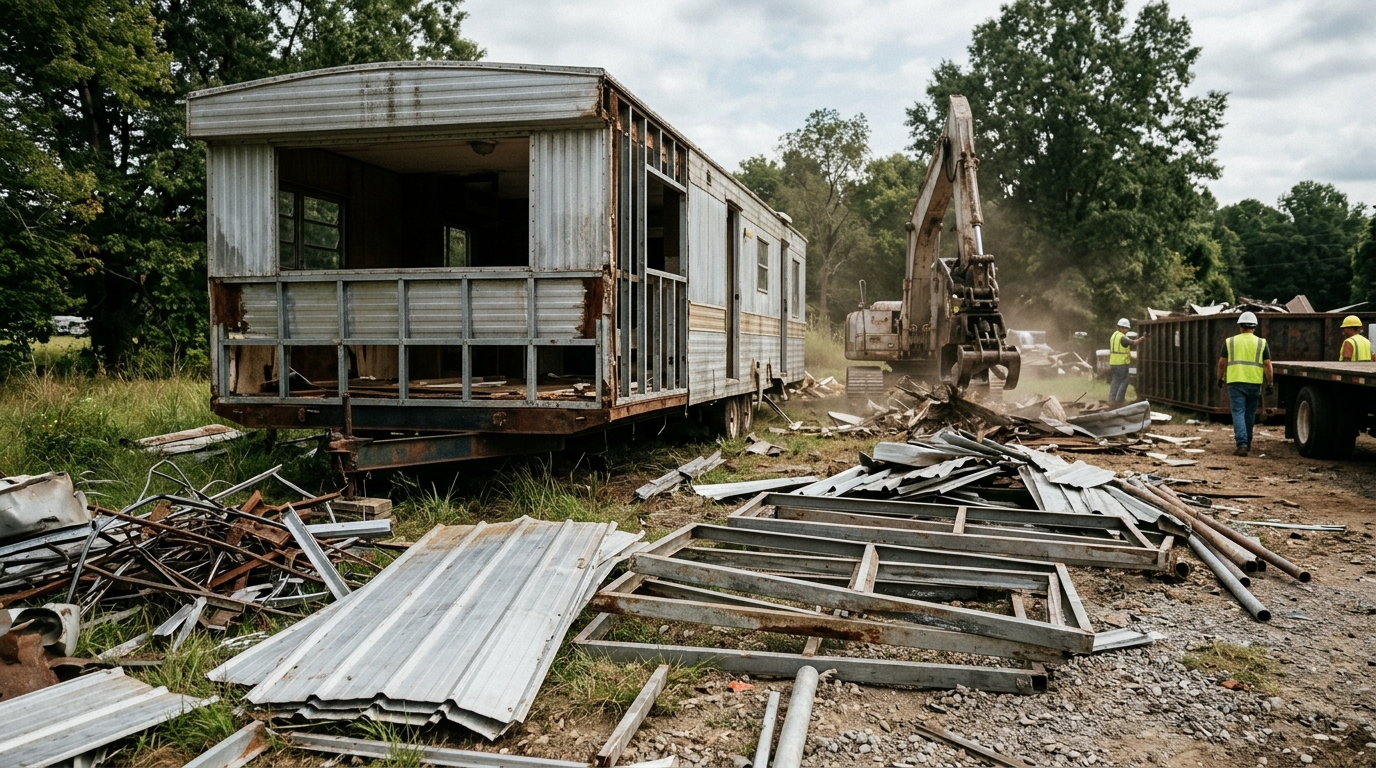
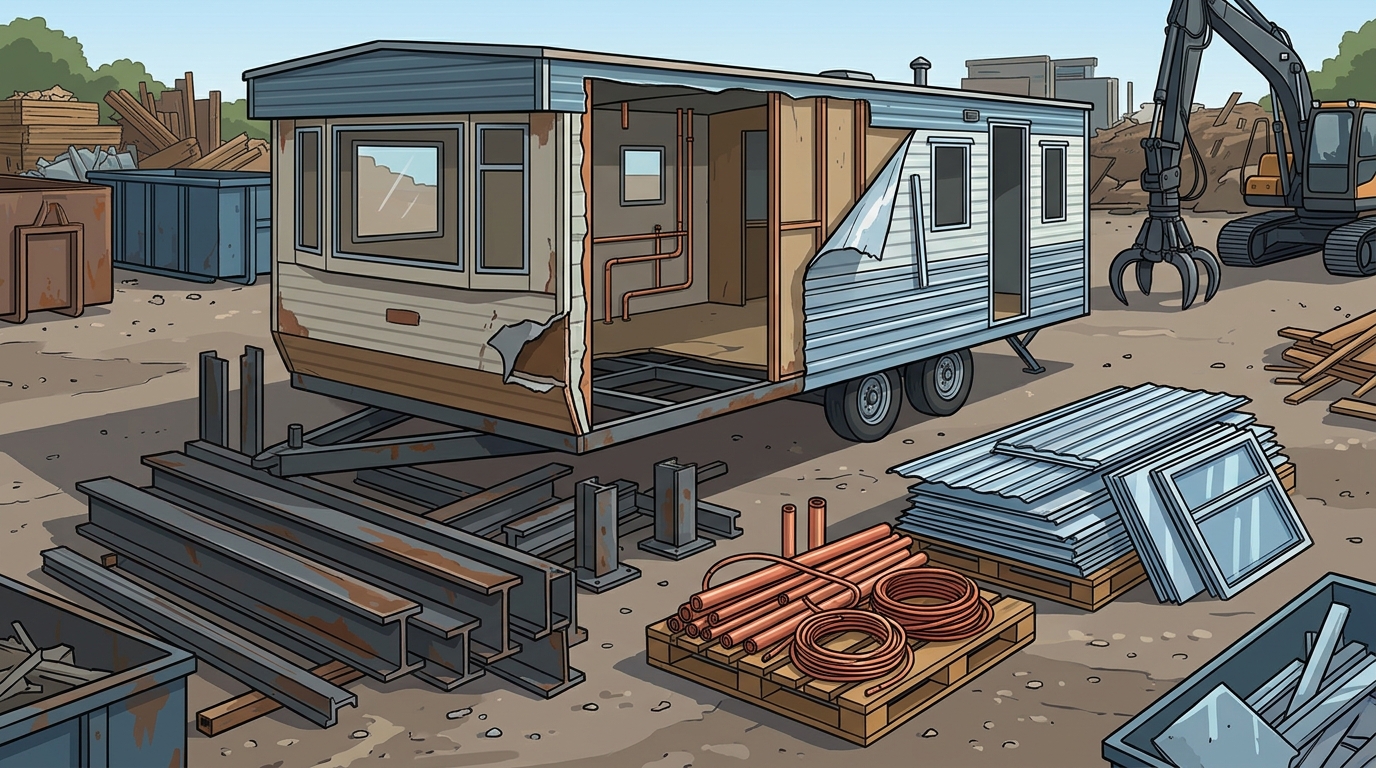
Mobile homes are constructed with specific materials that hold value in the scrap market. Understanding what is inside helps you estimate potential returns. The primary components are structural steel, aluminum, and copper.
Structural Steel
The frame of a mobile home is made of steel. This is the heaviest component and usually provides the bulk of the weight-based payout. Steel prices fluctuate based on industrial demand. A single-wide home might contain several tons of steel, but the value per ton is relatively low compared to other metals.
Aluminum and Copper
Aluminum is common in siding, windows, and gutters. Copper is found in electrical wiring and plumbing. Copper commands a much higher price per pound than steel or aluminum. If you have the tools and time, stripping copper wire can significantly increase your total earnings. However, the volume of copper in a standard home is limited.
How to Value Your Scrap
Scrap metal value is determined by the current commodity price and the weight of the material. You can calculate a rough estimate by weighing the home or using standard weight charts for single-wide and double-wide units. Local scrapyards post daily rates, so prices vary by region.
Weight Estimates
A typical single-wide mobile home weighs between 10,000 and 15,000 pounds. A double-wide can weigh up to 30,000 pounds. Not all of this weight is scrap metal. Wood, drywall, and insulation do not count toward the metal payout. You must subtract the non-metal components to get an accurate estimate.
Market Fluctuations
Safety and Legal Risks
Scrap metal salvage is dangerous and often illegal without proper permits. Mobile homes contain hazardous materials like asbestos, lead paint, and formaldehyde in insulation. Disturbing these materials without professional equipment poses serious health risks. Additionally, many jurisdictions require a demolition permit before you can tear down a structure.
Health Hazards
Asbestos was commonly used in mobile home insulation and flooring before the 1980s. Inhaling asbestos fibers can cause lung disease and cancer. Lead paint is another concern in older units. Professional abatement is required before safe demolition can begin. This process costs a significant amount of money, which often wipes out any potential scrap profit.
Legal Compliance
Local zoning laws often prohibit DIY demolition. You may face fines if you tear down a home without a permit. Furthermore, leaving debris on your property can result in code violations. The legal and safety costs usually exceed the value of the scrap metal.
Alternatives to Scrapping
For most homeowners, donating the mobile home is a better financial option than scrapping it. Banyan Mobile Home Removal offers free removal for qualifying homes. Instead of spending money on demolition and hauling, you receive a tax deduction for the home's fair market value. This approach eliminates the safety risks and legal headaches of DIY scrapping.
Tax Benefits
Donating to a qualified 501(c)(3) nonprofit allows you to claim a charitable deduction. The deduction is based on the appraised value of the home, not the scrap metal value. This amount is typically much higher than the scrap payout. You also save on property taxes once the home is removed from your land.
Community Impact
Donating a mobile home helps provide affordable housing for families in need. The home is repurposed rather than sent to a landfill. This creates a positive community impact while solving your removal problem. It is a win-win solution that benefits both you and the recipient.
Key Takeaways
- Steel is the heaviest component, but copper and aluminum have higher per-pound values.
- DIY scrapping involves significant safety risks from asbestos and lead paint.
- Local laws often require permits for demolition, adding cost and complexity.
- Donating the home to a nonprofit like Banyan Mobile Home Removal is often more profitable than scrapping.
- Donation provides a tax deduction based on fair market value, which exceeds scrap value.
- Free removal services handle all permits, hauling, and disposal for you.
Frequently Asked Questions
How much is scrap metal in a mobile home worth?
Is it legal to scrap a mobile home myself?
It depends on your local zoning laws. Many areas require a demolition permit before you can tear down a structure. You should check with your local building department before starting any work. Violating these laws can result in fines.
What are the health risks of scrapping a mobile home?
Older mobile homes often contain asbestos and lead paint. Disturbing these materials without proper protection can cause serious health problems. Professional abatement is recommended before any demolition work begins.
Can I sell the scrap metal to a local yard?
Yes, you can sell the metal to a local scrapyard. You will need to transport the materials to the yard. Some yards may refuse mixed loads, so separating the metals can help you get a better price.
Is donating a mobile home better than scrapping it?
For most homeowners, yes. Donating the home to a nonprofit like Banyan Mobile Home Removal provides a tax deduction and free removal. This is usually more valuable and less risky than trying to scrap the metal yourself.
How long does it take to scrap a mobile home?
It can take several weeks to months to strip a mobile home for scrap. The process is labor-intensive and requires specialized tools. Most homeowners find that the time investment is not worth the cash payout.