
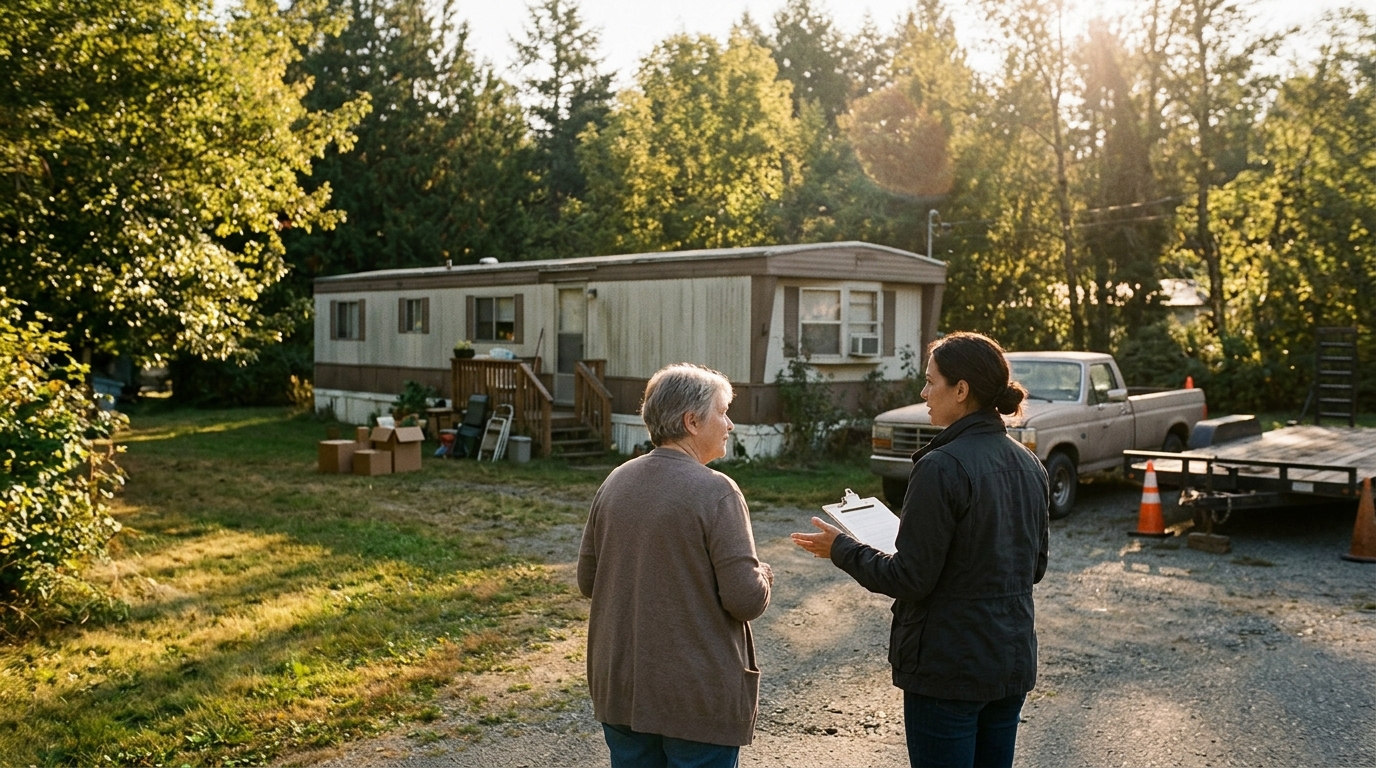
Donating a mobile home to charity is a structured process. You will work with a dedicated coordinator who manages the appraisal, paperwork, and logistics. The experience is designed to be low-stress, as the nonprofit handles all permits and transportation costs. You receive a tax receipt for the home's fair market value, and the home is placed with a family in need.
The Initial Qualification and Assessment
The first step in the donation journey is determining if your home meets the organization's criteria. Most nonprofits, including Banyan Mobile Home Removal, accept single-wide and double-wide manufactured homes. The home must be in a condition that allows for safe transport, meaning it should have a stable frame and roof. You will need to provide photos and basic details about the home's size, age, and location. This initial review ensures that the home can be repurposed for housing rather than sent to a landfill.
During this phase, you will also discuss the logistics of access. If your home is in a tight park lot or on rural land with long driveways, the coordinator will note these details. This information helps the organization plan the route and select the appropriate moving equipment. It is important to be honest about any damage, such as fire or water issues, as this affects whether the home qualifies for donation or requires demolition.
Understanding the Tax Deduction and Appraisal
To claim this deduction, you must itemize on your federal return. You will need to file IRS Form 8283 and attach the written acknowledgment from the nonprofit. It is wise to consult with a tax professional before the donation is finalized to ensure you maximize your benefit. The appraisal date should be close to the donation date to reflect the current market value accurately. This step is crucial for both your financial benefit and the legal documentation of the gift.
The Logistics of Removal and Transportation
Once the home is qualified and appraised, the organization coordinates the physical removal. This process involves securing necessary permits and arranging for licensed, insured movers. The removal typically takes several weeks after you sign the donation agreement. During this time, the organization prepares the home for transport, which may include disconnecting utilities and removing personal items. You are not responsible for any of these costs or the physical labor of moving the home.
The movers will transport the home to a new location where it will be placed with a recipient family. This could be a different state or a local site, depending on the recipient's needs. The organization handles all the transportation logistics, including routing and setup. For the donor, this means the home is simply gone from your property, with no demolition debris or cleanup required. The site is left clean, and you can proceed with your plans for the land, such as building a new structure or selling the property.
Emotional and Community Impact
Donating a mobile home is not just a financial transaction; it is an act of community support. Many donors report feeling a sense of relief and satisfaction knowing their home will provide shelter to a family in need. The process is often described as emotional, especially if the home has personal significance. However, the structured nature of the donation, with clear communication from the nonprofit team, helps manage these feelings. You are part of a mission to reduce homelessness and provide affordable housing, which adds a layer of purpose to the removal.
The impact extends beyond the immediate recipient. By donating, you help keep a usable home out of the landfill, reducing environmental waste. You also contribute to the stability of a family, providing them with a path to homeownership. This community-focused mission is a key differentiator for organizations like Banyan, which aim to create lasting positive change. The experience is often cited by donors as one of the most rewarding decisions they have made regarding their property.
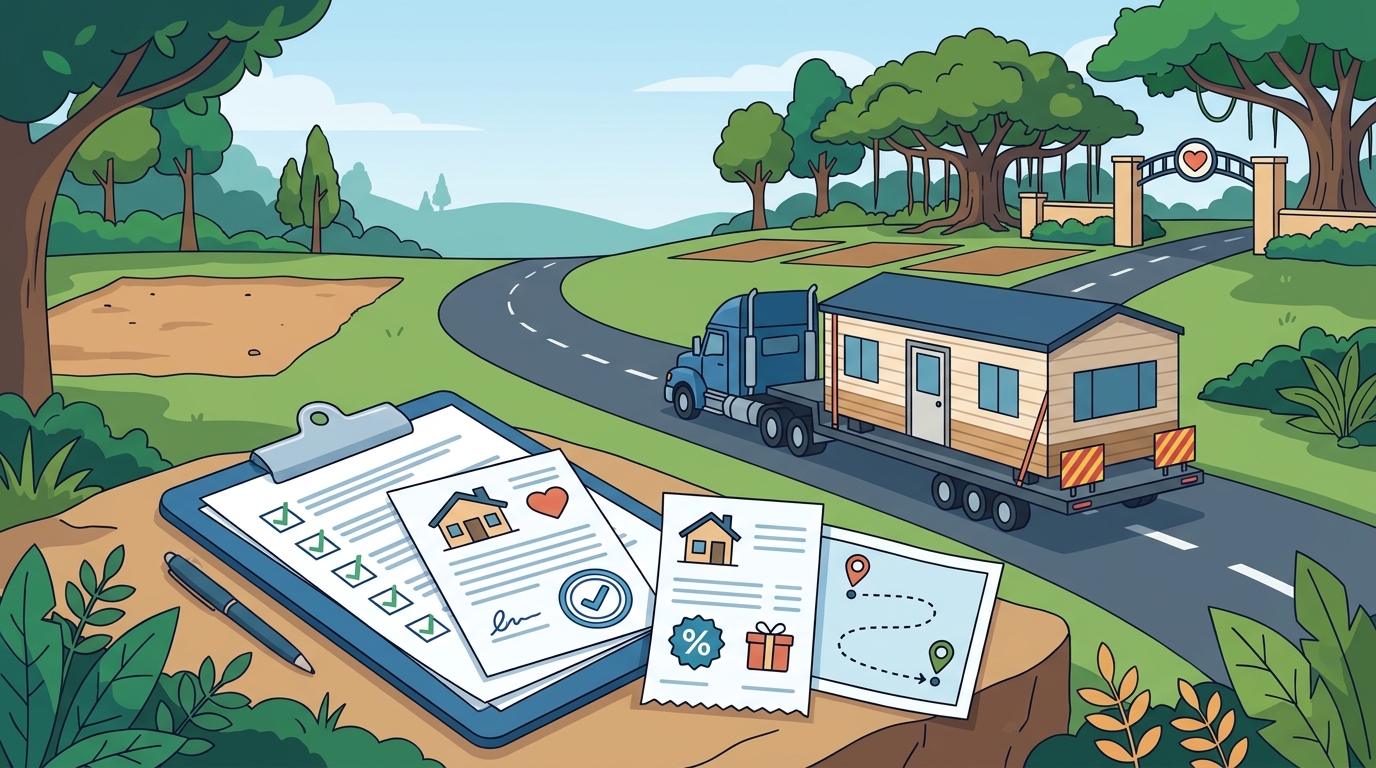
Key Takeaways
- Donation typically takes several weeks from qualification to removal.
- You receive a tax deduction based on the home's appraised fair market value.
- The nonprofit handles all permits, movers, and transportation costs.
- Homes must generally be in transportable condition.
- The process is low-stress, with a dedicated coordinator managing all details.
- Donating helps reduce homelessness and keeps homes out of landfills.
Frequently Asked Questions
How long does the mobile home donation process take?
The process usually takes several weeks from the initial qualification to the final removal. This timeline allows for the appraisal, permit acquisition, and coordination of the moving crew. The exact duration can vary based on the home's location and the availability of movers.
Do I have to pay for the removal of my mobile home?
No, the removal is free for qualifying homes. The nonprofit covers the costs of the movers, permits, and transportation. You only need to provide the home and the necessary documentation, such as the title or proof of ownership.
What happens to my mobile home after I donate it?
The home is transported to a new location and placed with a family in need of affordable housing. The organization ensures the home is in a safe and habitable condition for the recipient. It is not demolished or sent to a landfill if it meets the transport criteria.
Can I donate a mobile home that has some damage?
Yes, as long as the damage does not compromise the structural integrity of the home. Minor issues like broken windows or worn flooring are acceptable. However, severe fire or water damage may disqualify the home from donation, in which case demolition might be the only option.
How do I get the tax receipt for my donation?
The nonprofit will provide a written acknowledgment of your donation after the home is removed. This document, along with the appraisal, is used to claim your tax deduction. You should keep these records with your tax documents for the year of the donation.
Start Your Donation Journey
If you are ready to clear your property and help a family in need, contact our team to see if your home qualifies. Our team will guide you through every step, from the initial assessment to the final removal, ensuring a smooth and rewarding experience.