
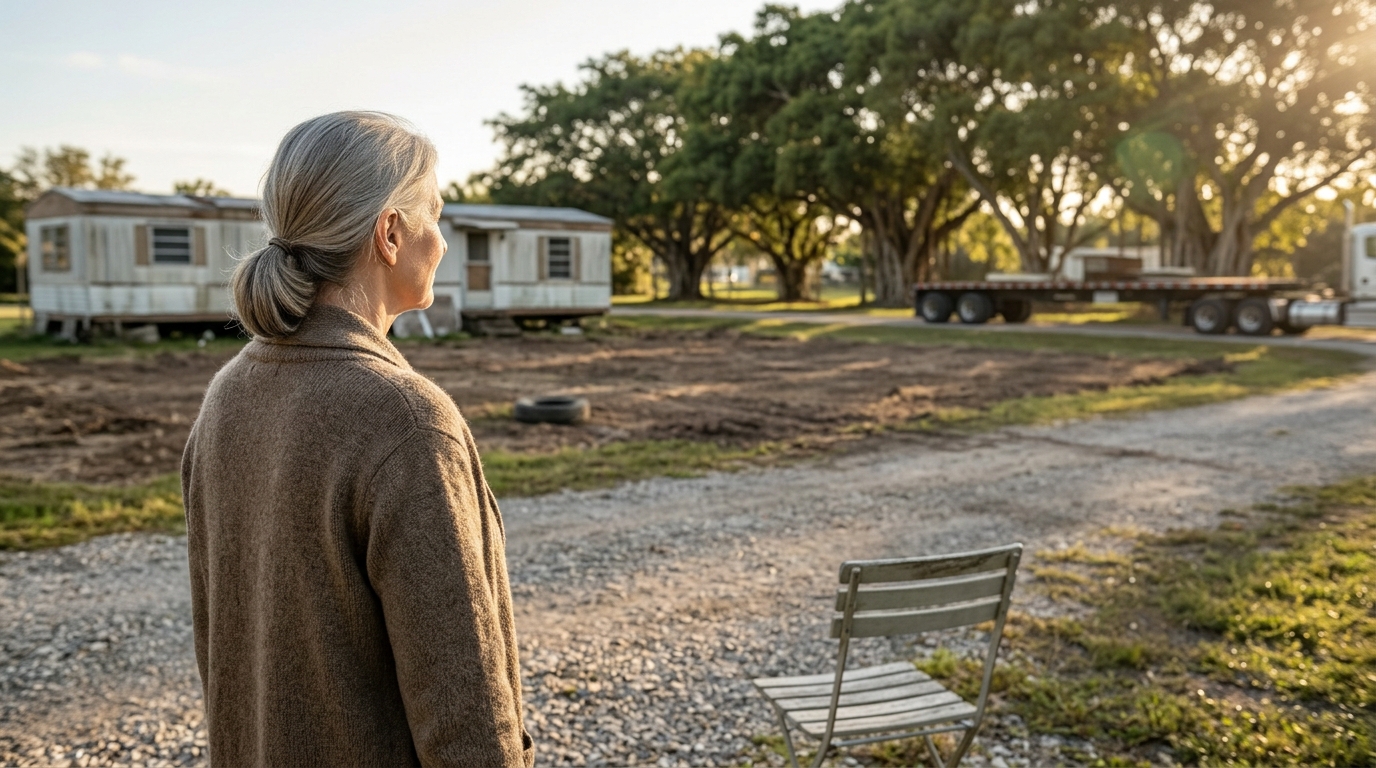
Donating a mobile home to a qualified nonprofit like Banyan Mobile Home Removal costs the owner zero dollars for labor, hauling, or disposal. The only potential financial impact is a reduction in taxable income due to the charitable deduction. This model eliminates the thousands of dollars typically spent on demolition or private moving services.
The Hidden Costs of Traditional Removal
Most property owners assume that getting rid of a manufactured home is a simple task. In reality, the standard market rates for removal are steep. A mobile home removal service is a specialized logistics operation that requires heavy equipment, permits, and skilled labor. When you hire a private contractor, you pay for every mile driven and every hour of labor.
These figures do not include the cost of permits, which vary by county. They also exclude the potential fines for illegal dumping or the long-term liability of leaving a deteriorating structure on your land. The implication is clear: the "free" option is not just a discount; it is a complete avoidance of a major financial burden.
How the Free Donation Model Works
The mechanism behind free removal is a charitable exchange. Mobile home donation is the act of transferring ownership of a manufactured home to a registered 501(c)(3) nonprofit in exchange for a tax receipt. The nonprofit then assumes the financial responsibility for the logistics. This structure allows organizations to offer a service that private companies cannot afford to give away.
Banyan Mobile Home Removal operates on this model nationwide. When a homeowner donates, the organization covers the cost of the licensed movers, the transport permits, and the insurance. The homeowner does not pay a cent. In return, the nonprofit receives the asset. They then refurbish the home and place it with a family in need of affordable housing. This creates a direct link between your disposal need and a community housing solution.
The key requirement is that the home must be in a condition that allows it to be moved. It does not need to be perfect, but it must be structurally sound enough to survive transport. Homes from 1980 or newer are generally the most desirable for this program. If your home is a total wreck, it may not qualify for the free donation program, and you would still face the costs of demolition.
Tax Implications and Net Value
While the out-of-pocket cost is zero, the financial benefit often extends into your tax return. A charitable tax deduction is a reduction in your taxable income based on the fair market value of the donated property. When you donate a mobile home, you can claim its appraised value as a deduction. This can result in a significant tax savings, depending on your income bracket.
It is important to consult with a tax professional to determine the exact value of your home for tax purposes. The appraisal process is handled by the nonprofit, but you are responsible for claiming the deduction on your return. The implication is that the "cost" of donation is negative. You pay nothing, and you likely receive a tax refund or reduced tax bill.
Logistical Requirements for Qualification
Free removal is not automatic. There are specific logistical hurdles that must be cleared before a truck arrives at your property. The most critical requirement is clear access. The removal crew needs a path for their equipment to reach the home. If your property is in a wooded area or has steep terrain, you may need to clear the path yourself. This is a minor cost compared to the full removal fee, but it is a necessary step.
You must also provide proof of ownership. This usually means the title to the mobile home. If the title has been extinguished because the home was converted to real estate, you may need to reverse that process. Banyan Mobile Home Removal can guide you through this paperwork. Additionally, you are responsible for disconnecting all utilities and removing personal belongings before the pickup date. The nonprofit will handle the skirting and anchoring, but the interior must be empty.
These requirements ensure that the removal process is efficient and safe. They also protect the nonprofit from liability. By meeting these criteria, you ensure that the "free" service is actually delivered without hidden fees or delays. The implication is that while the monetary cost is zero, the time and effort required for preparation are not.
Donation vs. Demolition: A Financial Comparison
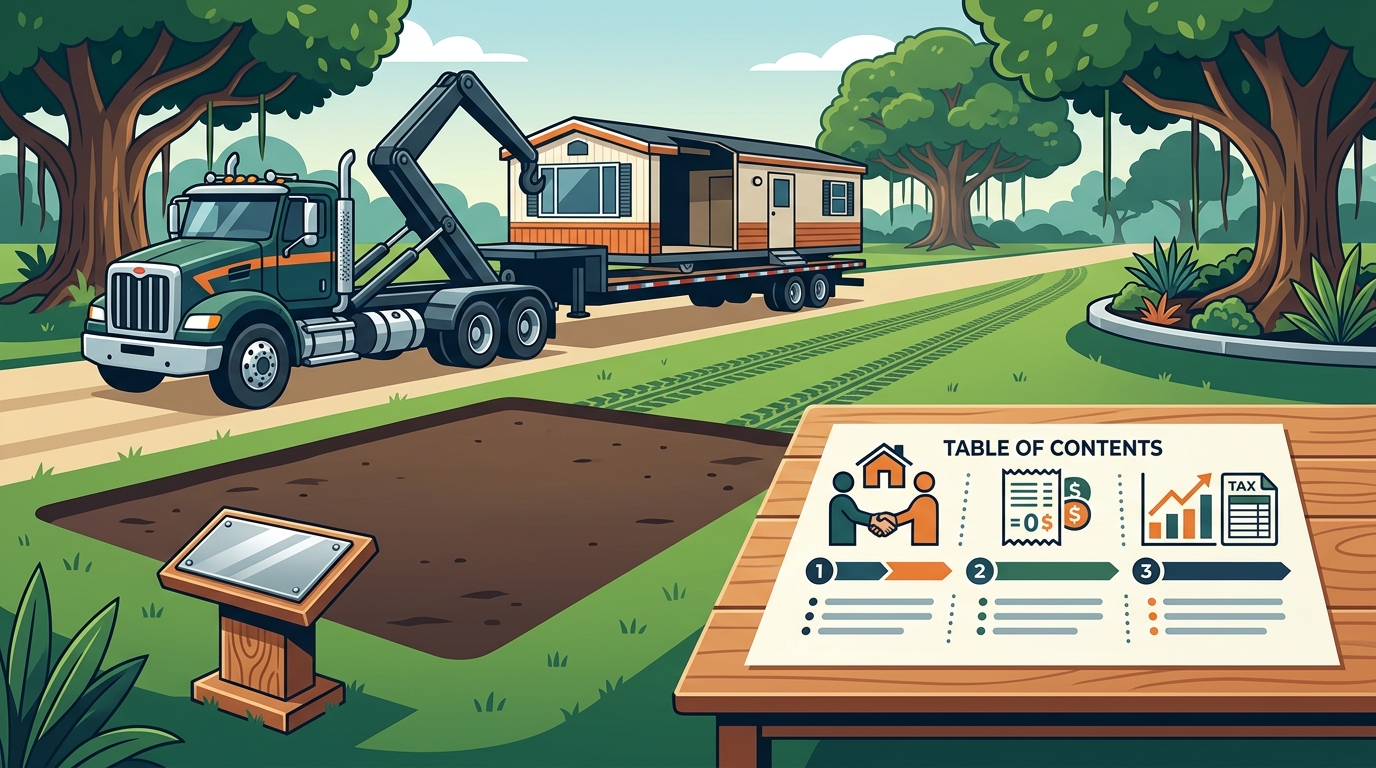
To understand the true value of donation, it helps to compare it directly with demolition. Demolition is a destructive process that generates waste. The materials from a demolished home often end up in a landfill, where they may release harmful chemicals. There is no financial return on this investment. You pay for the labor, the equipment, and the disposal fees, and you get nothing in return.
Donation, on the other hand, is a regenerative process. The home is preserved, repaired, and reused. This has environmental benefits, as it keeps materials out of landfills. It also has social benefits, as it provides housing for those in need. Financially, the comparison is stark. Demolition costs you money. Donation saves you money and may even earn you a tax deduction. The implication is that donation is the superior financial choice for any homeowner with a movable unit.
Key Takeaways
- Private removal or demolition typically costs between $5,000 and $18,000, depending on the size and condition of the home.
- Donors may qualify for a charitable tax deduction based on the appraised value of the home.
- The home must be structurally sound and from 1980 or newer to qualify for free donation.
- Homeowners are responsible for providing clear access, proof of ownership, and disconnecting utilities.
- Donation is an environmentally responsible alternative to demolition, keeping materials out of landfills.
Frequently Asked Questions
Is there really no cost to donate my mobile home?
Yes, the removal service is completely free. The nonprofit covers all moving, hauling, and disposal costs. You only pay for any necessary site preparation, such as clearing a path for the truck.
What condition does my mobile home need to be in?
The home must be structurally sound enough to be moved. It does not need to be fully livable, but it should not have severe damage to the frame or roof. Homes from 1980 or newer are generally preferred.
Do I need to pay for the title transfer?
There may be small administrative fees for transferring the title, but these are typically minimal. The nonprofit will guide you through the process to ensure the transfer is done correctly.
How long does the donation process take?
The process usually takes 8 to 10 weeks from the initial contact to the final removal. This allows time for qualification, scheduling, and logistics.
Can I donate a double-wide mobile home?
Yes, both single-wide and double-wide homes are accepted, provided they meet the structural and age requirements.
What happens to the home after I donate it?
The nonprofit will refurbish the home and place it with a family in need of affordable housing. This ensures the home is put to good use rather than being destroyed.
Start Your Free Removal Today
Donating your mobile home is a smart financial decision that also makes a positive impact on your community. By choosing Banyan Mobile Home Removal, you avoid the high costs of demolition and private moving while supporting affordable housing. The process is simple, the cost is zero, and the benefits are significant. Contact us today to see if your home qualifies for our free removal program.