
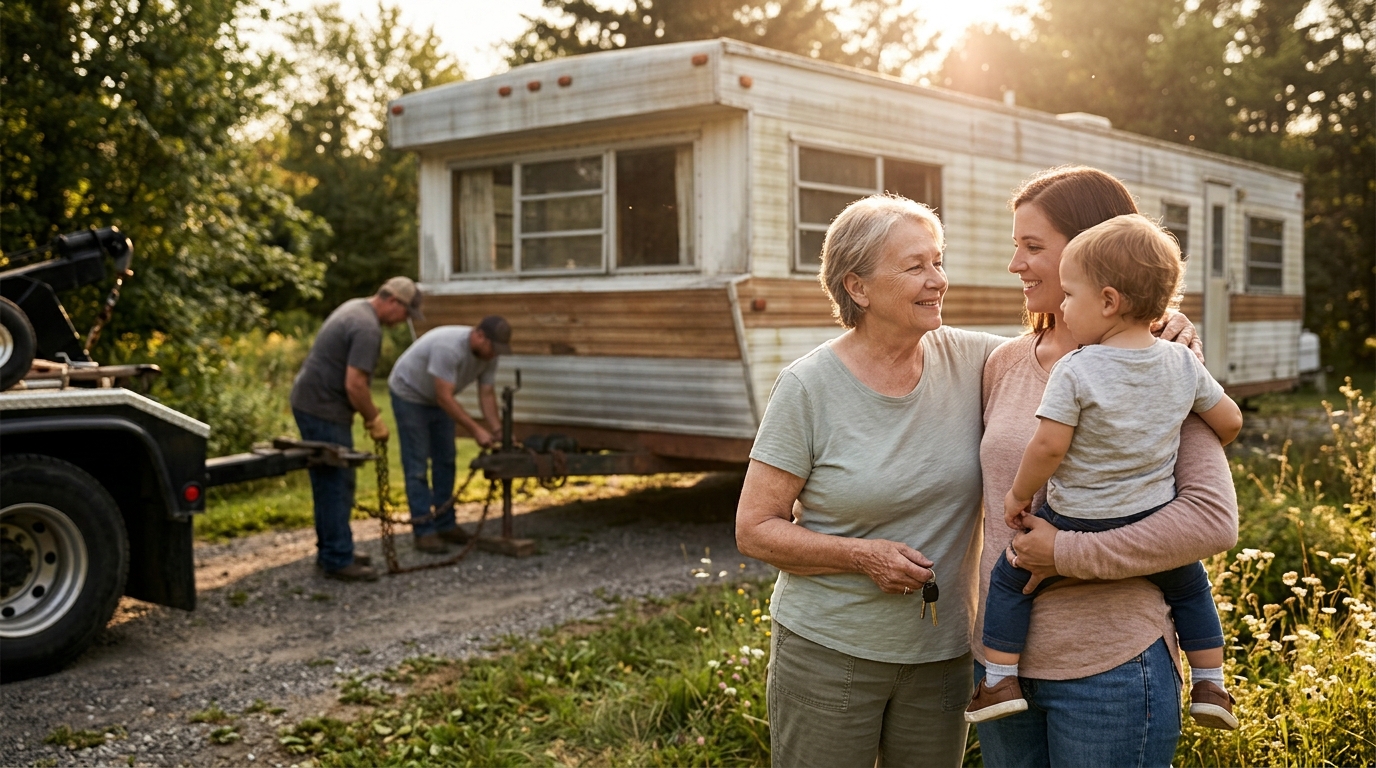
Several accredited 501(c)(3) nonprofits accept donated mobile homes and cover the removal costs. Banyan Mobile Home Removal is a primary example, removing qualifying homes for free and placing them with families in need. This model allows donors to avoid demolition fees while receiving a tax deduction.
The Nonprofit Removal Model
Banyan Mobile Home Removal
Banyan Mobile Home Removal operates as a subsidiary of the accredited 501(c)(3) nonprofit Banyan River Company. The organization serves property owners across the continental United States. It accepts both single-wide and double-wide manufactured homes that meet basic safety and transport requirements. The program specifically targets homes from 1980 or newer. This age restriction ensures the structures are structurally sound enough for relocation and resale.
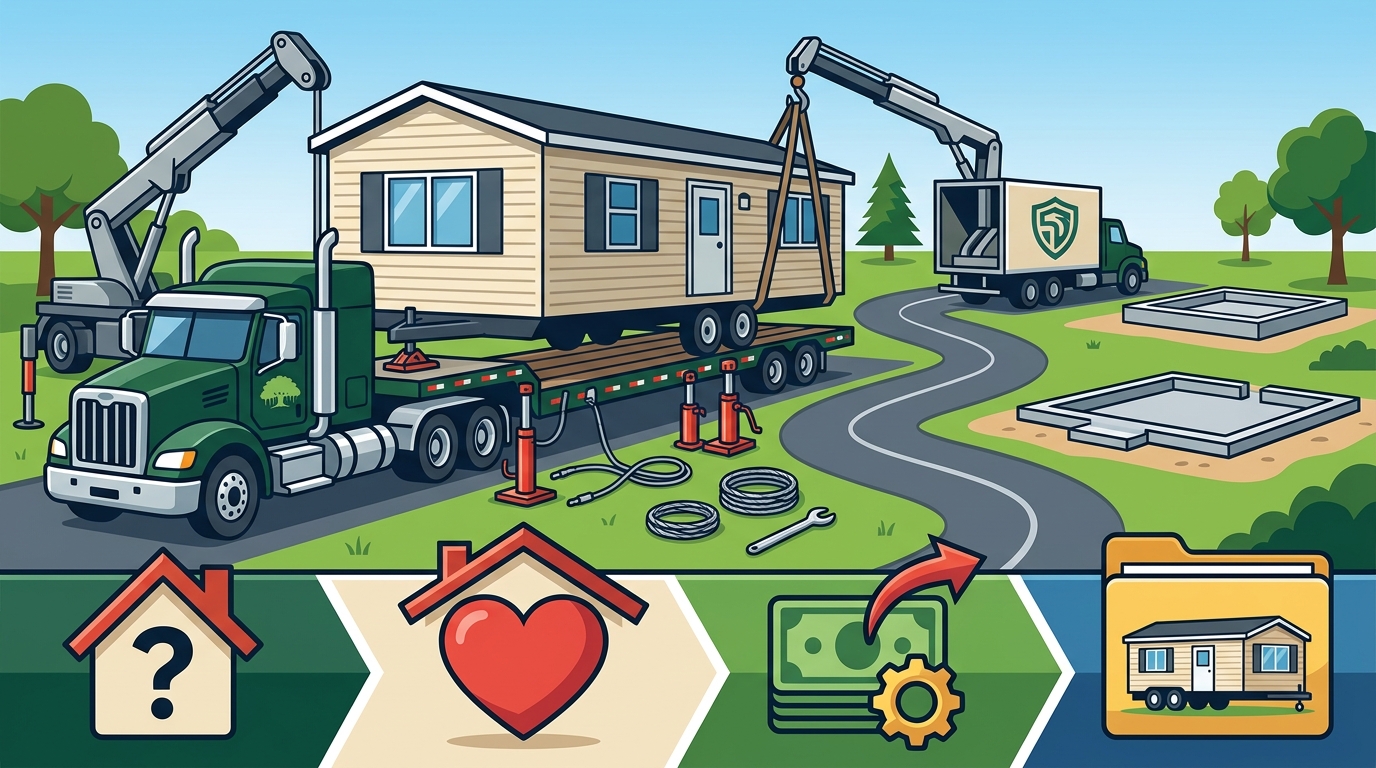
The organization has facilitated over $10 million in tax deductions for donors. It partners with licensed, insured, and bonded local movers to execute the removal. The process involves a qualification review where the team assesses the home's condition. If the home qualifies, Banyan arranges the transport. The home is then placed with a deserving individual or family, often with no-interest financing if needed. This approach keeps homes out of landfills and provides a pathway to homeownership for low-income families.
Eligibility and Qualification
Not every mobile home qualifies for free removal. The structure must be in a condition that allows for safe transport. Homes that are severely damaged, burned, or structurally compromised may not be accepted for donation. Instead, these units might require paid demolition. The qualification process typically involves submitting photos and a description of the home. The nonprofit then determines if the unit meets their criteria for resale.
Title issues are a common barrier. A clean title transfer is required for the donation to be legally valid. If the home has an outstanding mortgage, a mechanic's lien, or unpaid property taxes, these must be resolved first. A lien is a legal claim against the property that prevents a clean transfer. Donors should check with their state's DMV or county recorder's office to verify the title status. If a lien exists, it must be paid off or released before the nonprofit can accept the donation.
Tax Implications and Documentation
Donating a mobile home to a 501(c)(3) organization makes the contribution tax-deductible. The deduction is based on the fair market value of the home at the time of donation. For homes valued over $500, the IRS requires a written acknowledgment from the charity. This receipt should describe the property and state whether any goods or services were provided in exchange. Since the donor receives no services in return for the donation, the receipt will typically state that no goods or services were provided.
Donors should consult a tax professional to determine the exact value of their home. The value is not based on what the donor paid for it years ago, but on its current market worth. Accurate valuation ensures the donor claims the correct amount. The nonprofit will provide the necessary documentation to support the tax return. This financial benefit, combined with the free removal, makes donation a highly advantageous option for property owners.
Community Impact and Housing Stability
Mobile home donation addresses a critical housing shortage. In December 2022, the U.S. Department of Housing and Urban Development calculated that homelessness affected 582,462 people. Affordable housing is a persistent challenge in many regions. By repurposing existing manufactured homes, nonprofits reduce the demand for new construction. This lowers the overall cost of housing and provides immediate stability for families.
The donation process also benefits the local community by reducing waste. Demolition sends tons of debris to landfills. Relocating a home keeps it in use and extends its lifespan. This environmental benefit aligns with the goals of sustainable housing. Property owners who donate their homes contribute to a legacy of community support. They help create a pathway to affordable homeownership for individuals who might otherwise be unable to purchase a home.
Key Takeaways
- Nonprofit organizations like Banyan Mobile Home Removal remove qualifying homes for free.
- Donors receive a tax deduction for the fair market value of the donated home.
- Homes must generally be from 1980 or newer and in transportable condition.
- Title issues, such as liens or unpaid taxes, must be resolved before donation.
- The process helps provide affordable housing for families in need.
- Donation avoids the high costs of demolition and paid relocation.
Frequently Asked Questions
Does Banyan Mobile Home Removal charge for the service?
No, there is no cost to the property owner. The organization covers all moving expenses for qualifying homes.
What types of mobile homes do you accept?
We accept single-wide and double-wide manufactured homes from 1980 or newer that meet safety and transport requirements.
Can I donate a home with a lien?
You must resolve any liens or unpaid taxes before the title can be transferred. The title must be clean for the donation to proceed.
How much is the tax deduction?
The deduction is based on the fair market value of the home. Some donors have received deductions ranging from $54,000 to $77,000.
Do you operate nationwide?
Yes, Banyan Mobile Home Removal operates across the continental United States, working with local licensed movers in each region.
What happens to the home after removal?
The home is resold at a price far below market value to a deserving family, often with no-interest financing.