
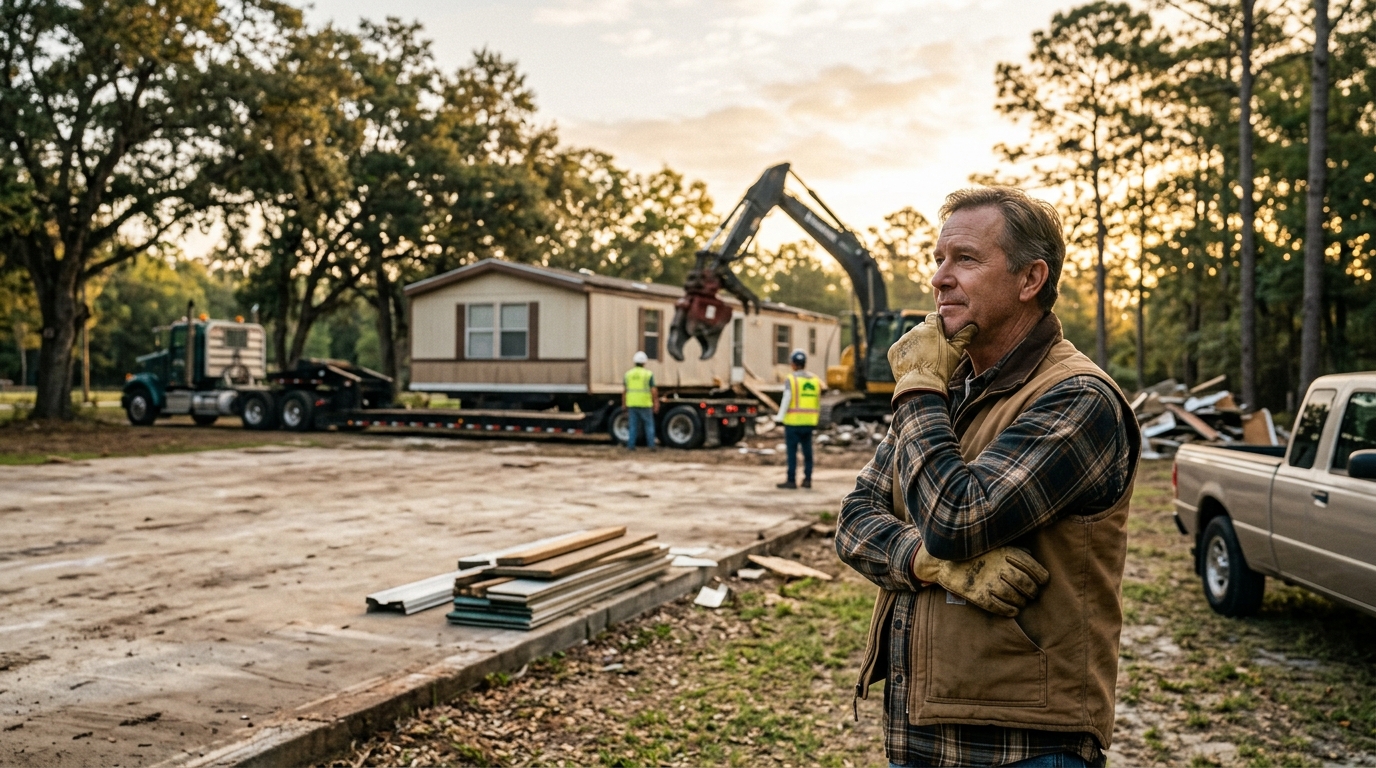
Many property owners assume that "free" mobile home removal is a simple transaction where a company hauls away an unwanted structure without any financial strings attached. However, the reality of the manufactured housing industry is far more complex. While organizations like Banyan Mobile Home Removal offer no-cost removal for qualifying units, the broader market includes numerous providers who charge significant fees for demolition, debris disposal, and site preparation. Understanding the hidden costs and value trade-offs is essential for making an informed decision that protects your property value and financial interests.
Understanding the Free Removal Model
The concept of free mobile home removal is rooted in the circular economy of affordable housing. When a mobile home is in good enough condition to be moved and resold, it holds significant value as a product. Companies that offer free removal are essentially acting as logistics coordinators. They cover the cost of towing, permits, and labor because they intend to recoup those expenses by selling the home to a new buyer.
This model benefits property owners who need to clear land for new construction or sale. By donating the home to a qualified nonprofit or removal service, you avoid the steep costs of demolition while potentially receiving a tax deduction. According to IRS guidelines, charitable contributions of property can be deducted if proper documentation is obtained. This process transforms a liability into an asset, both financially and ethically.
However, not all homes qualify. The structural integrity, age, and location of the mobile home play critical roles in determining its salvage value. If a home is too damaged to be moved safely, it cannot be part of the free removal ecosystem. In such cases, property owners must turn to paid demolition services, which introduces a different set of cost considerations.
Hidden Costs of Paid Removal Services
When free removal is not an option, property owners face a variety of direct and indirect costs. The most obvious expense is the labor and equipment required to demolish the structure. This includes heavy machinery like excavators and bulldozers, as well as the manual labor needed to dismantle the home piece by piece.
Beyond labor, there are disposal fees. Mobile homes contain a mix of materials, including wood, metal, insulation, and hazardous substances like asbestos or lead paint in older units. Disposing of these materials requires specialized handling and landfill fees, which can add thousands to the total cost. Additionally, property owners must pay for site preparation, which involves leveling the ground, removing footings, and ensuring the land is ready for its next use.
Another hidden cost is the potential for environmental remediation. If the mobile home was poorly maintained, it may have caused soil contamination or water drainage issues. Addressing these problems before selling the land or building a new structure can significantly increase the overall expense. Property owners should always conduct a thorough inspection before committing to a removal contract to avoid unexpected bills.
Value Trade-offs: Donation vs. Sale
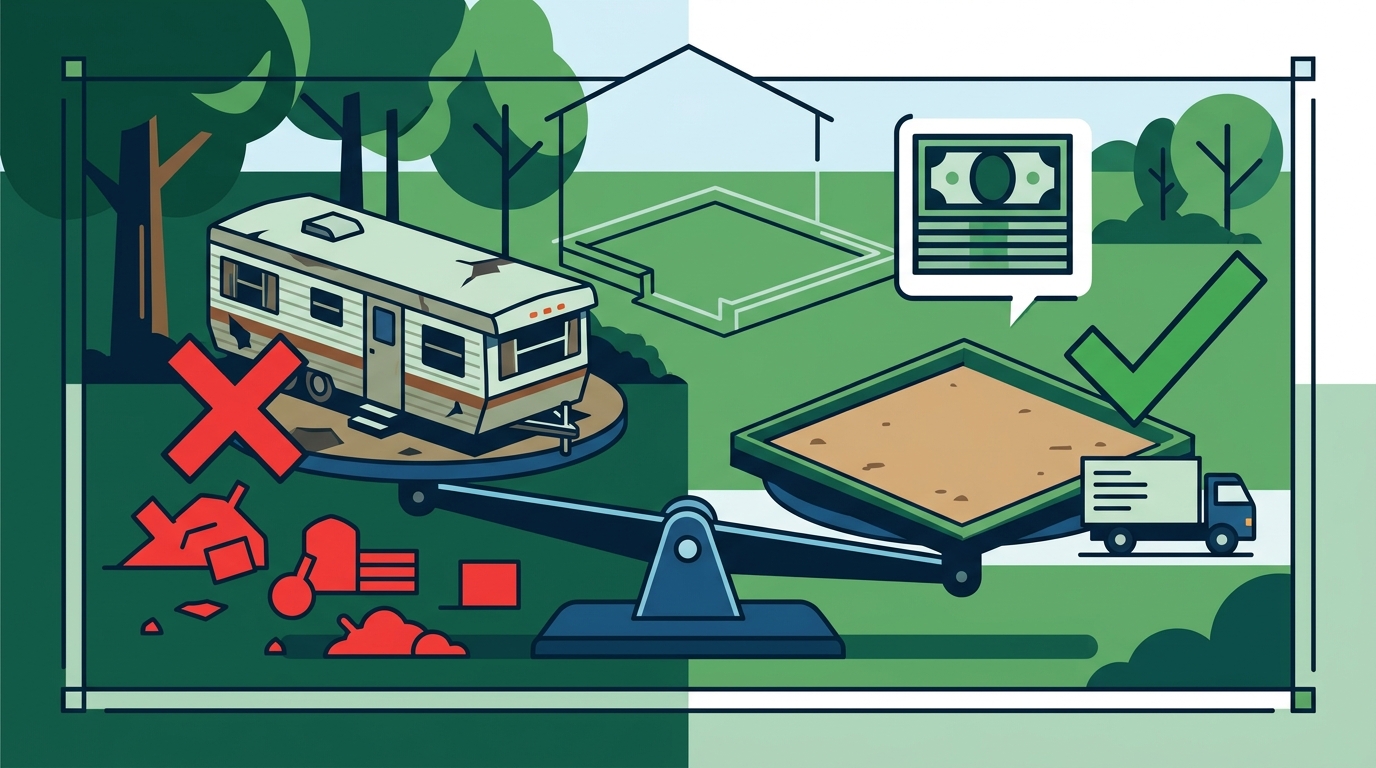
Choosing between donating your mobile home and selling it yourself involves weighing immediate convenience against potential financial return. Donation offers a streamlined process with no upfront costs and potential tax benefits. Selling the home yourself requires marketing, negotiations, and coordination with buyers, but it may yield a higher cash payout if the home is in excellent condition.
| Factor | Donation (Free Removal) | Private Sale |
|---|---|---|
| Upfront Cost | $0 | Marketing and repair costs |
| Time Commitment | Low (Coordinated by service) | High (Owner manages process) |
| Financial Return | Tax deduction only | Full market value |
| Liability | Transferred to removal service | Remains with owner until sale |
| Eligibility | Must meet condition/age criteria | Depends on buyer interest |
For many property owners, the convenience and peace of mind offered by donation outweigh the potential cash gain from a private sale. This is especially true for homes that require significant repairs or are located in areas with low demand for used manufactured housing. The trade-off is clear: you sacrifice immediate cash for a hassle-free experience and a charitable contribution.
Eligibility Requirements and Limitations
Not every mobile home is eligible for free removal. Service providers typically have strict criteria to ensure that the cost of moving the home does not exceed its resale value. One common requirement is the age of the home. Many organizations, including Banyan Mobile Home Removal, only accept homes built in 1980 or later. This is because homes built after the implementation of the HUD Code are constructed to higher safety and quality standards, making them more viable for relocation.
Structural integrity is another critical factor. The home must be able to withstand the stresses of transportation without collapsing or causing damage to the mover's equipment. This means the roof, walls, and foundation must be intact. Homes with severe water damage, mold infestation, or structural compromise are usually disqualified.
Location also plays a role. Free removal services are often limited to specific regions where there is a high demand for affordable housing. If your property is in a remote area with low housing demand, the cost of transporting the home may outweigh its value, making free removal impossible. Property owners should always verify the service area and eligibility requirements before initiating the process.
Financial Impact on Property Taxes
Removing a mobile home can have a significant impact on your property taxes. In many jurisdictions, mobile homes are assessed as personal property, which can result in higher annual taxes compared to real property. By removing the home and having it officially de-titled, you can eliminate this tax burden entirely.
Furthermore, if you donate the home to a qualified nonprofit, you may be eligible for a charitable tax deduction. The value of the deduction is based on the fair market value of the home at the time of donation, as determined by a qualified appraisal. This can provide substantial tax savings, especially for high-value units.
It is important to consult with a tax professional to understand the specific implications for your situation. Tax laws vary by state and individual circumstances, and proper documentation is essential to claim the deduction. Keeping records of the donation agreement, appraisal, and removal confirmation will help streamline the process during tax season.
Key Takeaways
- Free removal services are available for homes that meet specific condition and age criteria, typically those built in 1980 or later.
- Paid removal involves hidden costs such as disposal fees, site preparation, and potential environmental remediation.
- Donating your mobile home can provide a tax deduction, whereas selling it offers immediate cash but requires more effort.
- Eligibility for free removal depends on structural integrity, location, and local housing demand.
- Removing a mobile home can reduce property taxes by eliminating personal property assessments.
- Always verify the credentials of removal services to ensure they are licensed and insured.
- Consulting with a tax advisor is recommended to maximize the benefits of charitable donations.
Frequently Asked Questions
What is the minimum age requirement for free mobile home removal?
Most reputable removal services, including Banyan Mobile Home Removal, require that the mobile home be built in 1980 or later. This ensures the home meets modern safety standards and is structurally sound enough for transport.
Can I donate a mobile home with liens or back taxes?
Donating a mobile home with liens or back taxes is possible, but it complicates the process. The lien must be cleared before the title can be transferred. It is advisable to consult with a legal or financial professional to understand the implications.
How is the tax deduction value determined?
The tax deduction value is based on the fair market value of the home at the time of donation. This is typically determined by a qualified appraisal or the sale price if the home is sold by the nonprofit shortly after receipt.
What happens if my mobile home is not eligible for free removal?
If your home does not meet the eligibility criteria, you will need to hire a paid demolition service. This involves costs for labor, equipment, and disposal. It is important to get multiple quotes to ensure a fair price.
Do I need to remove the skirting and tie-downs before removal?
In many cases, the removal service will handle the removal of skirting and tie-downs as part of the process. However, it is best to confirm this with the specific service provider to avoid any unexpected charges.
How long does the free removal process take?
The timeline varies depending on the location and the logistics of the move. On average, the process can take several weeks from initial contact to final removal. Clear communication with the service provider can help manage expectations.
Is free mobile home removal available nationwide?
While many services operate in multiple states, availability is often limited to areas with high demand for affordable housing. It is important to check the service area of the provider you choose.
Ready to Clear Your Land?
If you are looking to remove an unwanted mobile home without the burden of cost, consider donating it to a qualified nonprofit. By choosing a reputable service like Banyan Mobile Home Removal, you can clear your property, potentially reduce your tax liability, and help provide affordable housing to those in need. Contact us today to learn more about our free removal program and see if your mobile home qualifies.