
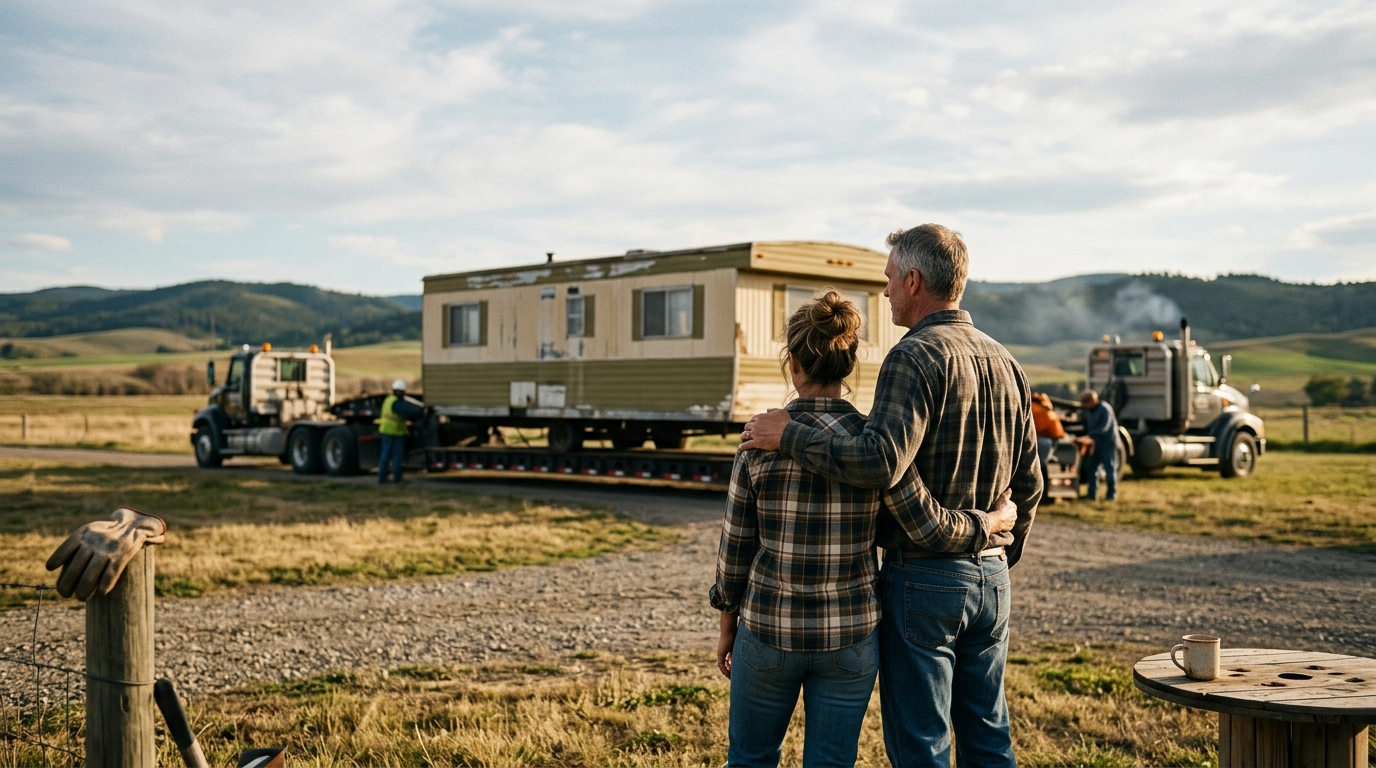
Removing an unwanted mobile home is often viewed as a complex logistical nightmare involving heavy machinery, permits, and significant expense. However, the reality for many property owners is that there is a viable, cost-free alternative to demolition. According to recent industry data, thousands of manufactured homes are left to deteriorate annually, creating liability issues for landowners. Banyan Mobile Home Removal offers a structured pathway to eliminate this burden entirely. By donating your unit to a qualified nonprofit, you can secure free removal services while potentially receiving a substantial tax deduction. This guide details the exact process, eligibility requirements, and financial benefits of this approach.
Understanding Eligibility and Age Requirements
Not every manufactured home qualifies for free removal programs. The primary constraint is the age and structural integrity of the unit. Most reputable nonprofit organizations, including Banyan Mobile Home Removal, strictly accept homes built in 1980 or newer. This cutoff is critical because the U.S. Department of Housing and Urban Development (HUD) established federal building codes for manufactured homes in 1976. Homes built before this date often lack the standardized construction required for safe transport and repurposing.
Additionally, the home must be in a condition that allows for safe towing. While the structure does not need to be move-in ready, it must be intact enough to withstand the stresses of being lifted and transported by professional movers. Single-wide and double-wide units are both eligible, provided they meet these structural criteria. If your home is severely damaged or predates the 1980 standard, you may need to explore demolition services instead.
The Step-by-Step Removal Process
The process of donating your mobile home is designed to be seamless for the property owner. You do not need to hire movers, secure permits, or manage logistics. The nonprofit organization handles the entire operational workflow.
Step 1: Qualification Review
Your journey begins with a simple inquiry. You contact the removal organization to provide details about your property, including its location, age, and condition. The organization assesses whether the home qualifies for their affordable housing program. This step ensures that only viable units are processed, preventing wasted time for both parties.
Step 2: Professional Coordination
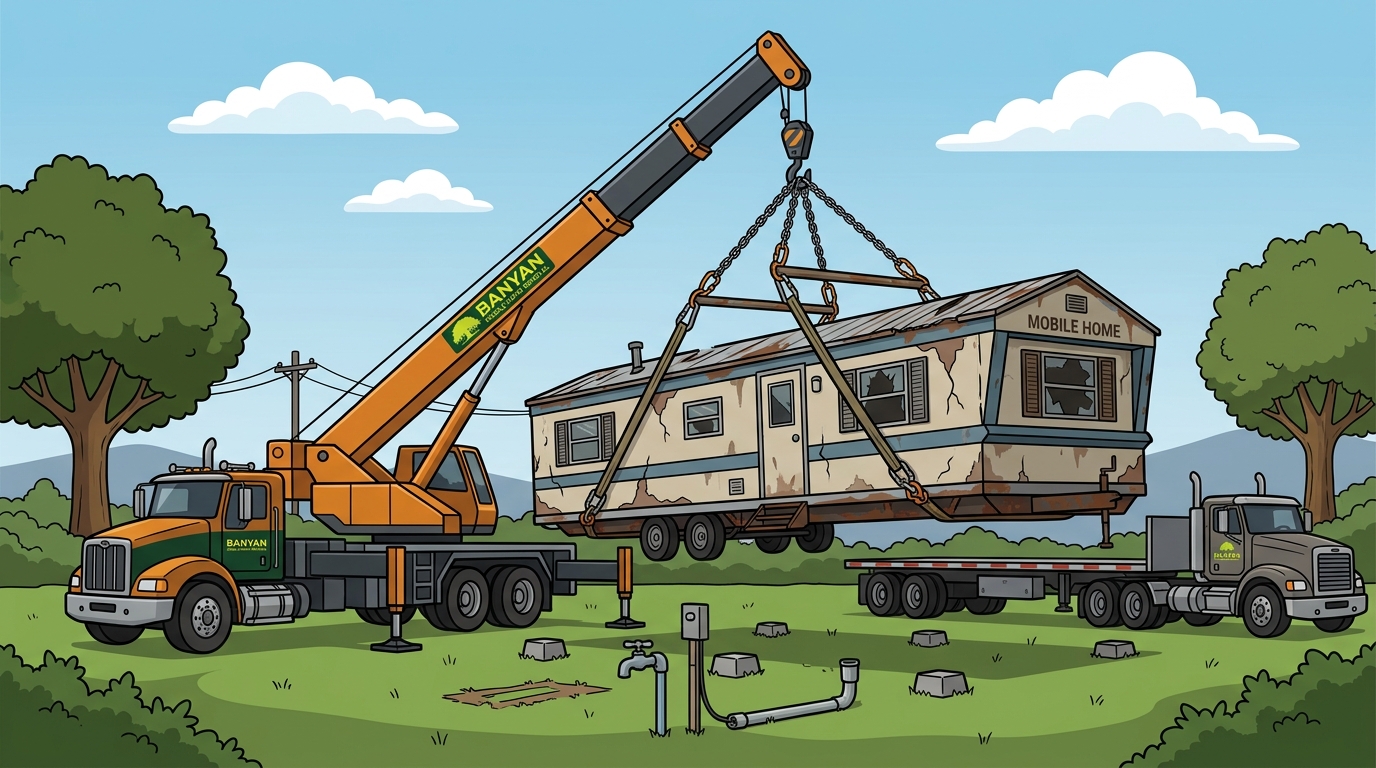
Once qualified, the organization coordinates with licensed, insured local mobile home movers. These partners are vetted for safety and efficiency. They handle the heavy lifting, including the use of tracked loaders to navigate tight obstacles or challenging terrain on your property. This is a critical advantage over DIY attempts, which often fail due to lack of specialized equipment.
Step 3: Permitting and Insurance
All necessary permits and insurance coverage are included in the removal package. The organization manages the regulatory requirements with local fire departments and municipal authorities. This ensures that the removal is fully compliant with local laws, protecting you from potential liability during the operation.
Step 4: Final Removal
The final step is the physical removal of the home. The unit is transported off your land completely free of charge. Your property is left clear, allowing you to repurpose the land for other uses, such as selling the lot or building a new structure.
Financial and Tax Benefits of Donation
One of the most compelling reasons to choose donation over demolition is the financial upside. While you avoid the immediate cost of removal, you may also gain a significant tax benefit. Banyan Mobile Home Removal is an accredited 501(c)(3) nonprofit organization. This status allows donors to claim a charitable tax deduction for the fair market value of the donated home.
The value of the deduction is determined by an appraisal of the home's condition and location. Recent donations have resulted in substantial tax deduction values. For example, a home in Washougal, WA, resulted in a deduction of $72,266.29, while a unit in Austin, TX, yielded a deduction of $73,791.19. These figures illustrate the potential financial impact of choosing donation. It is important to consult with a tax professional to understand how these deductions apply to your specific financial situation.
Furthermore, donating your home can help reduce your property taxes. By removing an obsolete structure, you clear the land of depreciating assets, which can positively impact your property's assessed value and future tax liabilities. This is particularly relevant for landowners looking to turn their mobile home property into an investment opportunity.
Donation vs. Traditional Removal Methods
When deciding how to dispose of an old mobile home, you generally have two main options: donation or demolition. Each method has distinct advantages and disadvantages.
| Feature | Donation (Nonprofit) | Traditional Demolition |
|---|---|---|
| Cost to Owner | $0 (Free Removal) | $5,000 - $15,000+ (Estimated) |
| Tax Benefits | Potential Charitable Deduction | None |
| Environmental Impact | Repurposing for Affordable Housing | Landfill Waste |
| Permit Handling | Managed by Organization | Owner Responsibility |
| Eligibility | 1980+ Homes Only | All Ages/Conditions |
Demolition is necessary only if the home is too old or damaged for transport. However, for qualifying units, donation offers a superior financial and ethical outcome. It aligns with the mission of providing affordable housing to people in need, turning a liability into a community asset.
Key Takeaways
- Free Service: Qualified homeowners receive complete removal services at no cost.
- Age Requirement: Homes must be built in 1980 or newer to qualify for donation.
- Tax Deductions: Donors may receive significant tax deductions based on home value.
- Nonprofit Status: Banyan is a 501(c)(3) organization ensuring ethical handling of donations.
- Nationwide Reach: Services are available across multiple states, including WA, TX, FL, and MI.
- Professional Handling: Licensed and insured movers manage all logistics and permits.
- Community Impact: Removed homes are repurposed for low-income families.
Frequently Asked Questions
How do I know if my mobile home qualifies for free removal?
Your home likely qualifies if it was built in 1980 or later and is structurally sound enough for transport. You can verify eligibility by contacting Banyan Mobile Home Removal directly to discuss your specific unit.
Is the removal process really free?
Yes. If your home qualifies, the organization covers all costs associated with moving, permits, and insurance. You pay nothing for the removal service.
Can I get a tax deduction for donating my mobile home?
Yes. As a 501(c)(3) nonprofit, Banyan Mobile Home Removal provides the necessary documentation for you to claim a charitable tax deduction. The value depends on an appraisal of the home.
What happens to the mobile home after it is removed?
The home is repaired and paired with a low-income family in need. This process provides a path to homeownership for individuals who might otherwise struggle to find affordable housing.
Do you remove double-wide mobile homes?
Yes, both single-wide and double-wide manufactured homes are eligible for removal, provided they meet the age and structural requirements.
How long does the removal process take?
The timeline varies based on location and scheduling, but the organization coordinates with local movers to ensure efficient removal once the home is qualified.
Can I sell my mobile home instead of donating it?
While you can sell a mobile home, it is often difficult to find buyers for older units. Donation offers a faster, free removal process and potential tax benefits, whereas selling may involve listing fees and negotiation.
Ready to Remove Your Mobile Home?
Do not let an unwanted mobile home sit on your property. Take advantage of the free removal program and help a family in need. Contact Banyan Mobile Home Removal today to start the qualification process.
Click here to contact us or call (360) 382-2546 to see if your home qualifies. Visit our donation page to learn more about how your contribution creates affordable housing.