
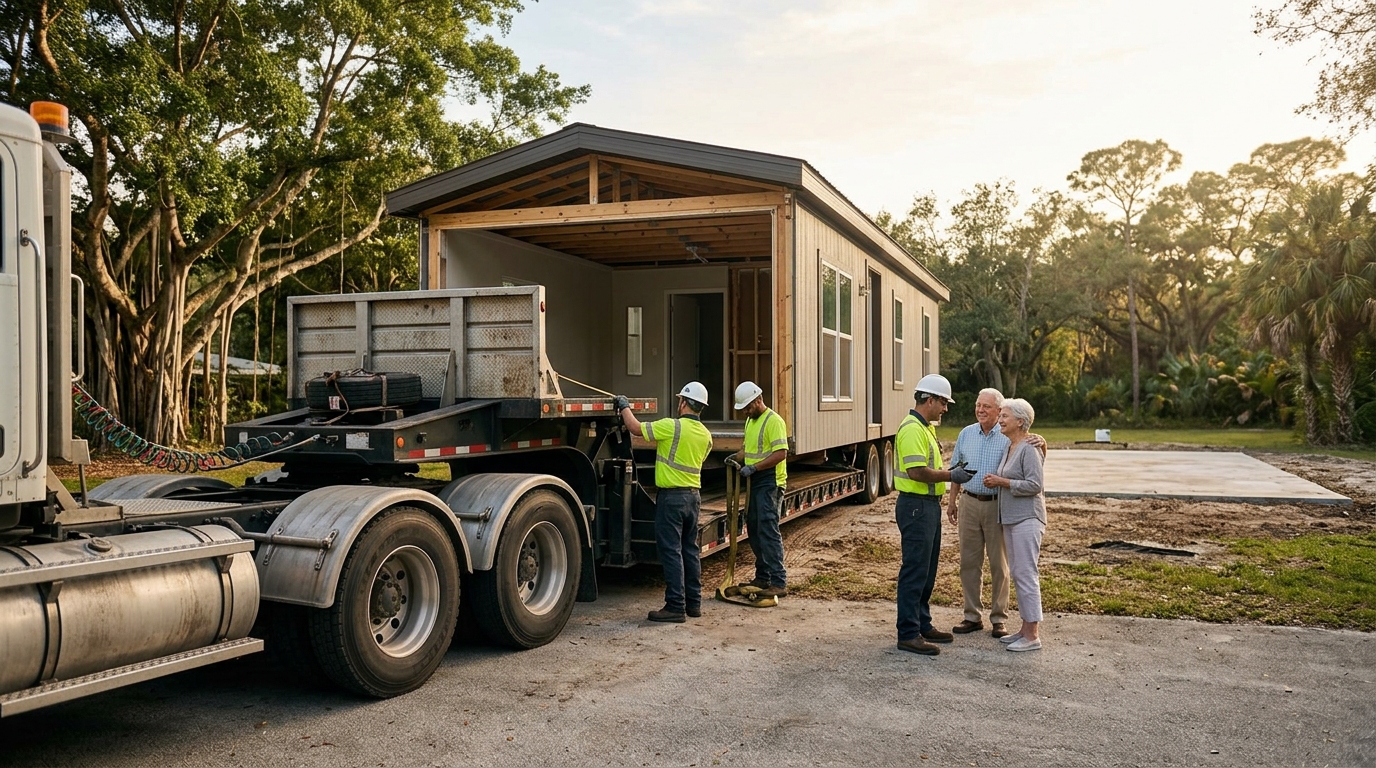
Mobile home removal is a complex logistical operation that requires specialized equipment, insurance, and regulatory knowledge. According to recent industry data, over 20 million manufactured homes exist in the United States, creating a massive market for both removal and repurposing services. Selecting the wrong provider can lead to property damage, legal liabilities, and significant financial loss. This guide outlines the critical steps to identify a reputable partner for your specific needs.
Verify Nonprofit Status and Accreditation
The first step in selecting a trustworthy mobile home removal company is verifying their organizational structure. Many reputable removal services operate as accredited 501(c)(3) nonprofit organizations. This status is crucial because it allows them to offer free removal services in exchange for the home, which is then donated to families in need of affordable housing.
When you partner with a nonprofit, you are not just hiring a hauler; you are engaging in a charitable transaction. This model ensures that the company has a vested interest in the home's condition and its eventual placement. For example, Banyan Mobile Home Removal operates specifically under this framework, facilitating the removal of unwanted manufactured homes to benefit people in need. Always ask for their EIN (Employer Identification Number) to verify their 501(c)(3) status through the IRS Tax Exempt Organization Search tool.
Assess Insurance and Licensing Requirements
Mobile home removal involves heavy machinery, wide loads, and complex road regulations. A trustworthy company must be fully licensed and insured. This protection is vital for the property owner to avoid liability in case of accidents during transport.
Key requirements include:
- General Liability Insurance: Covers any damage to your property during the disconnect and removal process.
- Transport Insurance: Protects against damage to the home while it is being moved.
- State Licensing: Ensure the movers hold valid licenses in the state where the home is located and the destination state.
According to industry standards, licensed and insured local mobile home movers are the only safe option for this type of work. Never accept a quote from a provider who cannot produce proof of insurance immediately.
Evaluate the Removal and Transport Process
Understanding the logistical workflow is essential for setting realistic expectations. A professional company will have a clear, step-by-step process for handling the removal.
The standard process typically involves:
- Inspection: A representative visits the property to assess the home's condition, size, and accessibility.
- Preparation: The team disconnects utilities, removes skirting, and detaches tie-downs.
- Transport: Specialized trucks and dollies are used to move the home to a designated location.
- Documentation: All necessary titles and transfer documents are processed.
For homes built in 1980 or newer, the process is streamlined due to federal building codes. However, older homes may require additional structural assessments. You can learn more about the specific mobile home donation process to understand how these steps apply to your situation.
Understand Tax Deduction Opportunities
One of the most significant benefits of using a reputable removal company is the potential for a charitable tax deduction. If the home is donated to a qualified nonprofit, you may be eligible to deduct the fair market value of the property.
To claim this deduction, you must:
- Obtain a written acknowledgment from the nonprofit.
- Have the home appraised by a qualified appraiser if the value exceeds $5,000.
- File Form 8283 with your tax return.
According to IRS guidelines, charitable contributions of property must be documented properly to be deductible. Ensure your removal company provides all necessary documentation to facilitate this process. This can significantly offset any remaining costs or provide a financial benefit even if the removal is free.
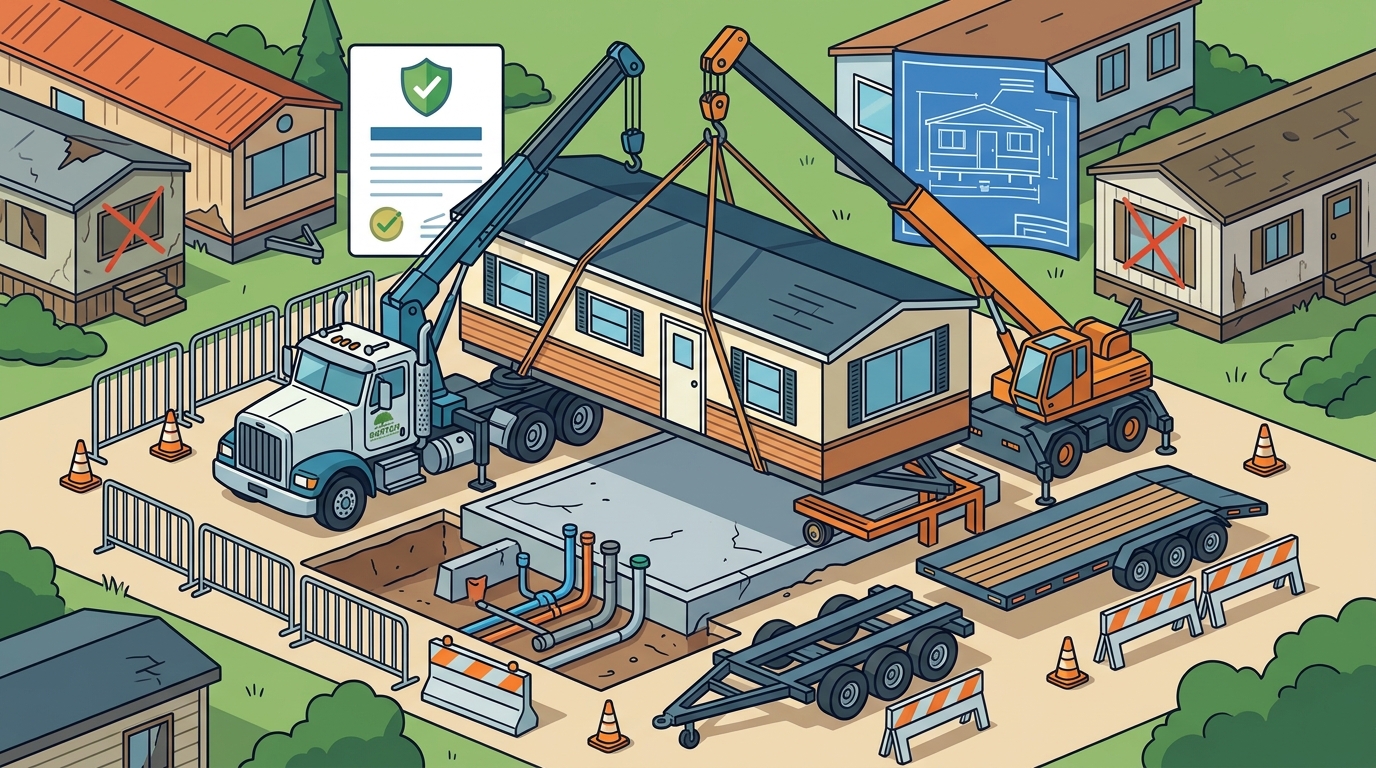
Check Reputation and Client Reviews
Reputation is a strong indicator of reliability. Look for companies with a long history of positive feedback on independent review platforms. Pay attention to comments regarding communication, punctuality, and professionalism.
For instance, Banyan Mobile Home Removal maintains a 5.0-star rating based on over 142 reviews. Clients frequently praise the team for clear communication and stress-free experiences. When evaluating other companies, look for similar patterns of positive feedback regarding transparency and customer care.
Compare Costs and Fee Structures
While many reputable removal services offer free removal for qualifying homes, it is important to understand the financial implications. Some companies may charge fees for disconnecting utilities or removing skirting.
Compare quotes from multiple providers. Be wary of companies that offer unusually low prices, as this may indicate hidden fees or lack of insurance. A trustworthy company will provide a detailed breakdown of any potential costs upfront. You can explore the donate vs. sale options to determine the best financial path for your specific circumstances.
Final Selection Checklist
Before signing any agreement, ensure you have verified the following:
- Verified 501(c)(3) status.
- Confirmed insurance coverage.
- Reviewed client testimonials.
- Understood the tax deduction process.
- Received a clear, written contract.
Key Takeaways
- Always verify the 501(c)(3) nonprofit status of the removal company.
- Ensure the company is fully licensed and insured for transport.
- Understand the tax deduction benefits of donating your mobile home.
- Check independent reviews to gauge customer satisfaction.
- Get a detailed written contract outlining all steps and costs.
- Confirm the company accepts homes built in 1980 or newer.
- Ask for proof of insurance before any work begins.
Frequently Asked Questions
What is the minimum age of a mobile home for removal?
Most reputable removal companies, including Banyan Mobile Home Removal, accept homes built in 1980 or newer. This is due to federal building codes that ensure the structural integrity of the home for transport and repurposing.
How does the tax deduction process work?
If you donate your mobile home to a qualified nonprofit, you can claim a tax deduction for its fair market value. You will need a written acknowledgment from the nonprofit and a qualified appraisal if the value exceeds $5,000.
Is mobile home removal really free?
Yes, if you donate the home to a qualified nonprofit, the removal is typically free. The company covers the costs of disconnecting, transporting, and preparing the home for its new location.
What documents do I need to provide?
You will need to provide the vehicle title for the mobile home. If the title has been extinguished, you may need to work with the Department of Licensing to re-establish it before the removal can proceed.
How long does the removal process take?
The timeline varies based on location and logistics, but many companies aim to complete the removal within 8 weeks of qualification. Clear communication from the provider is key to managing expectations.
Can I sell my mobile home instead of donating it?
Yes, you can sell your mobile home, but the process may be more complex and time-consuming. Donating to a nonprofit can offer a faster, stress-free solution with potential tax benefits.
What happens to the mobile home after removal?
Reputable nonprofits repurpose the home for affordable housing. They may repair and renovate the home before placing it with a deserving family or community organization.
Ready to Remove Your Mobile Home?
If you are ready to clear your property and help those in need, contact a trusted removal company today. Contact Banyan Mobile Home Removal to start the qualification process and learn how you can benefit from free removal and tax deductions.